
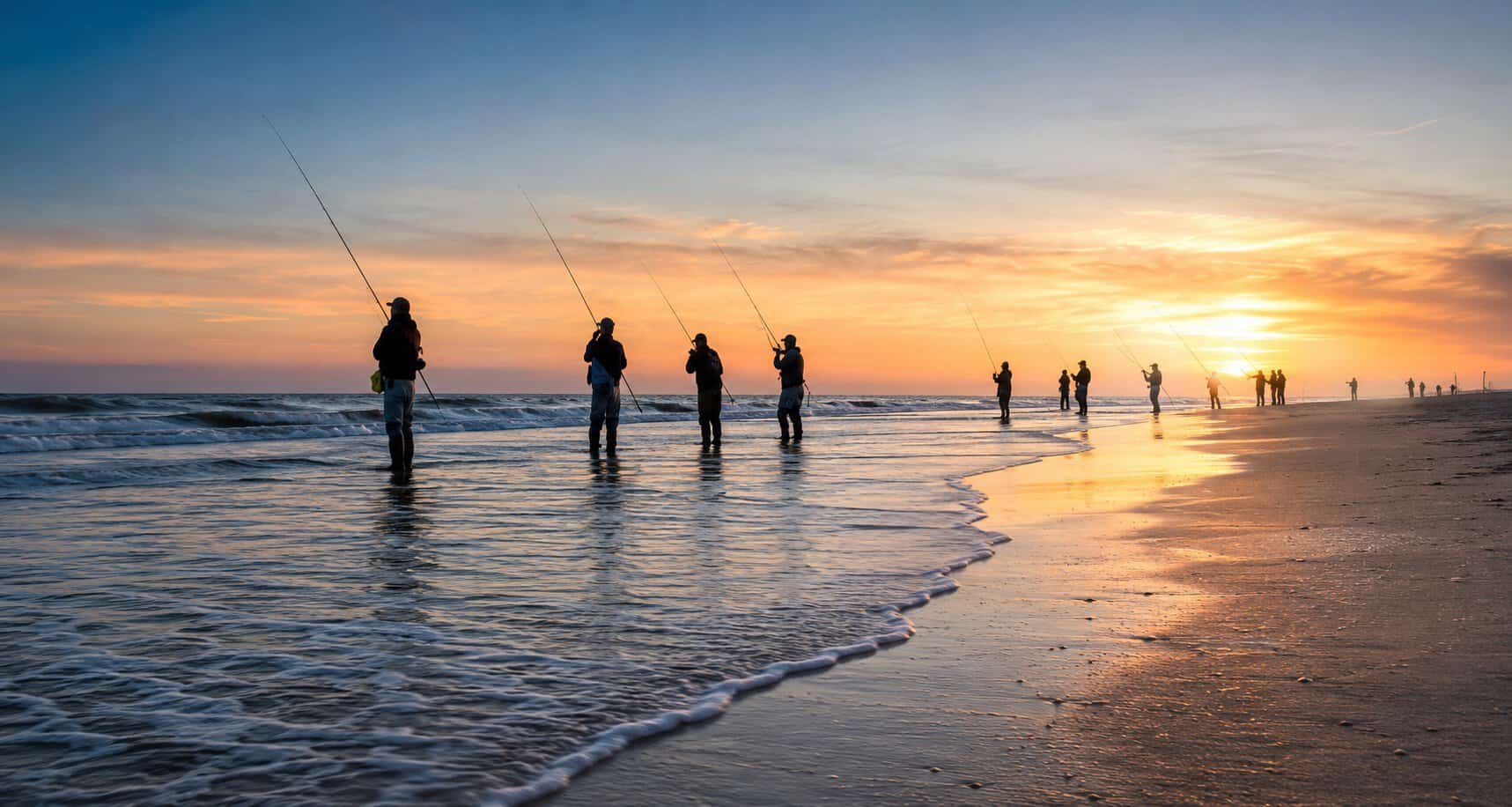
OUTER BANKS FISHING
Outer Banks Fishing Guide: Surf, Piers, Charters & What to Know
Everything you need to plan an Outer Banks fishing trip: surf fishing, pier fishing, inshore sound fishing, offshore charters, species by season, licensing, and where to go.
The Outer Banks has been drawing anglers for centuries. The Gulf Stream pushes warm blue water surprisingly close to shore. Two major ocean currents collide near Diamond Shoals. Behind the barrier islands sits the Pamlico Sound, the largest lagoon on the East Coast.
This is not a beach destination that happens to have fishing. It is one of the most complete fishing destinations on the Atlantic coast.
Surf fishermen come for the fall red drum run. Pier anglers come for bluefish and Spanish mackerel. Inshore kayak anglers work the sounds for redfish and speckled trout. Offshore charter captains run out of Oregon Inlet and Hatteras Village toward the Gulf Stream for mahi, yellowfin tuna, wahoo, and billfish.
The best fishing on the Outer Banks depends on whether you want to stand in the surf, walk out on a pier, fish shallow sound water, or book a charter boat. This guide covers all of it.
Quick Take
- Best surf fishing: Cape Hatteras National Seashore, especially Cape Point when accessible
- Best pier fishing: Jennette’s Pier, Avalon Pier, Nags Head Fishing Pier, and Outer Banks Fishing Pier
- Best inshore fishing: Pamlico Sound, Currituck Sound, Roanoke Sound, and Oregon Inlet
- Best offshore fishing: Oregon Inlet Fishing Center and Hatteras Village marinas
- License required: NC Coastal Recreational Fishing License for most anglers
- Best season: Fall, especially September through November during the red drum run
- Beach driving: ORV permit required for Cape Hatteras National Seashore beach access by vehicle
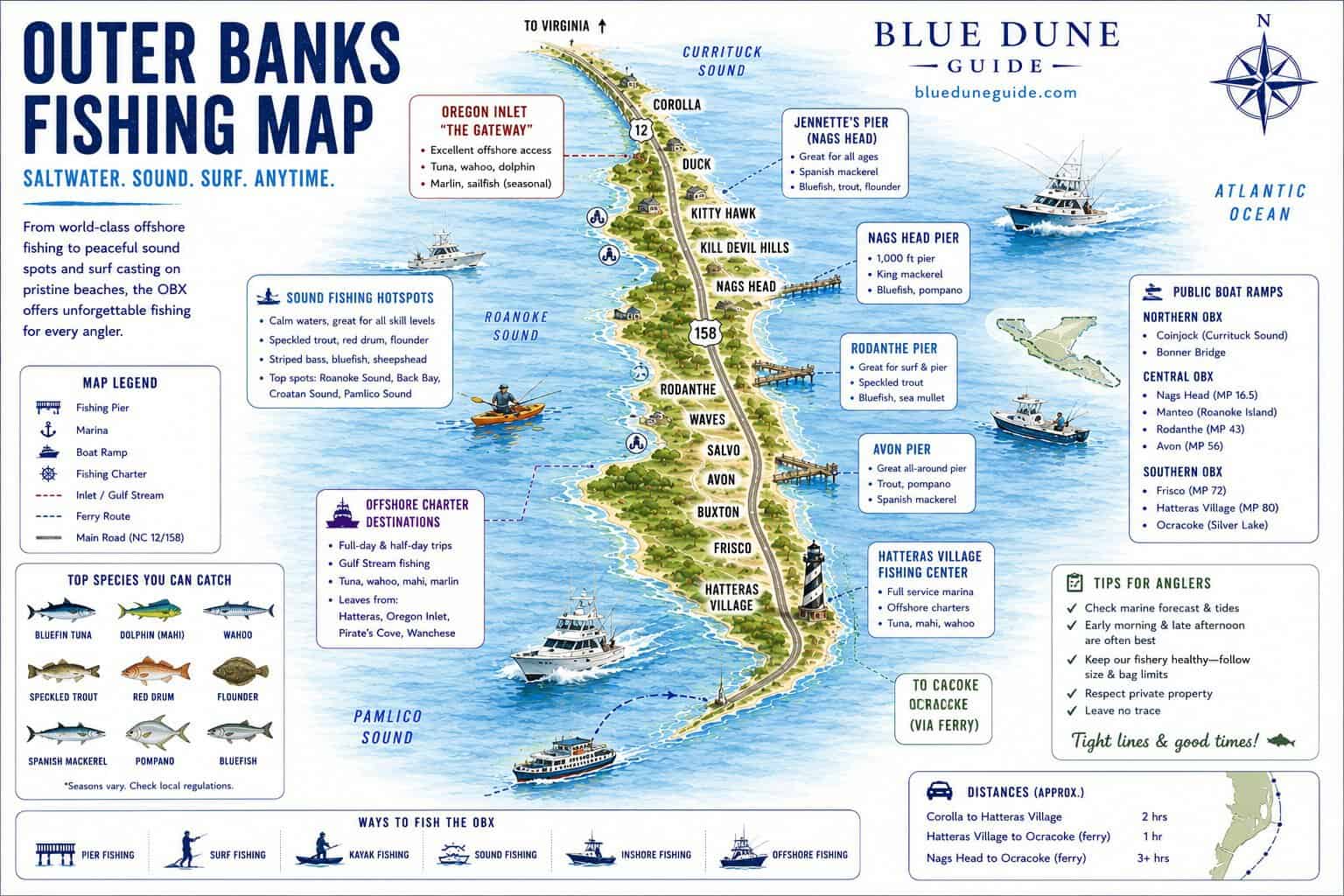
FISHING MAP
Outer Banks Fishing Areas at a Glance
The Outer Banks stretches for more than 100 miles, and the fishing changes as you move from the northern beaches to Hatteras and Ocracoke. Use this map as a quick reference before choosing where to stay, where to launch, or how far you want to drive for better water.
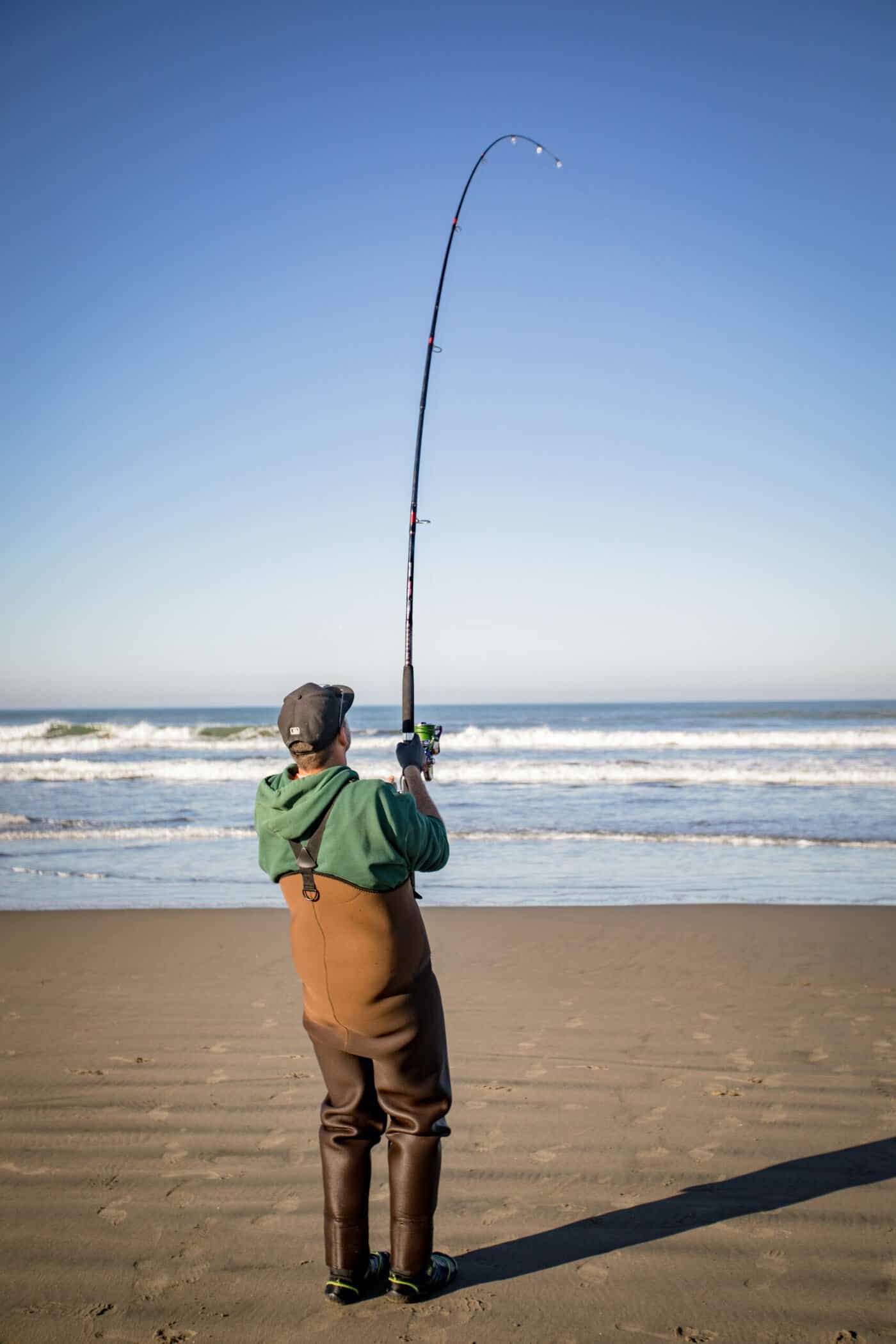
SURF FISHING
Surf Fishing the Outer Banks
Surf fishing is the reason many anglers first discover the Outer Banks. Few places on the East Coast offer this combination of accessible beaches, migratory fish, constantly changing structure, and miles of public shoreline.
The barrier islands create a dynamic environment where sandbars shift, inlets move water, and deep troughs can form surprisingly close to shore. Add the influence of the Gulf Stream and the famous waters around Diamond Shoals, and you have one of the most productive stretches of surf fishing on the Atlantic coast.
You do not need a boat to catch fish here. You need access to the right stretch of beach, a basic understanding of tides and structure, and the willingness to keep moving until you find productive water.
BEST OVERALL
Cape Point and Hatteras Island
Cape Point is the most famous surf fishing location on the East Coast. Currents, bait, migrating fish, and shifting shoals come together near the tip of Cape Hatteras, creating legendary fishing during the right conditions.
Even when Cape Point itself is closed because of seasonal wildlife protections, the beaches from Oregon Inlet through Frisco provide miles of productive shoreline and some of the best surf fishing opportunities on the Outer Banks.
Cape Hatteras Guide →MOST REMOTE
Carova 4WD Beaches
North of Corolla, the Carova beaches offer a very different surf fishing experience. Four-wheel-drive access limits crowds, creating long stretches of undeveloped shoreline where anglers can spread out and explore.
Red drum, bluefish, black drum, and seasonal runs of baitfish all move through this area. Fall is especially productive.
Carova Guide →Before you air down and head north, make sure your vehicle is properly equipped for beach driving. A quality tire deflator and pressure gauge lets you drop to the recommended 15-20 PSI quickly and accurately. A recovery tow strap is cheap insurance — soft sand, incoming tide, and overconfidence have stranded plenty of rigs up there. A portable air compressor gets your tires back to highway pressure before you hit the pavement.
EASIEST ACCESS
Nags Head and Kill Devil Hills
If you are staying in the central Outer Banks, the beaches around Nags Head and Kill Devil Hills offer convenient access without ORV permits or four-wheel-drive requirements.
They may not receive the same attention as Hatteras Island, but they remain excellent places to learn the basics of OBX surf fishing.
QUIETEST OPTION
Ocracoke Island
Ocracoke combines National Seashore beaches, lower fishing pressure, and a slower pace. Ferry access naturally limits crowds and creates one of the most relaxed surf fishing experiences on the Outer Banks.
Ocracoke Guide →THE FALL RED DRUM RUN
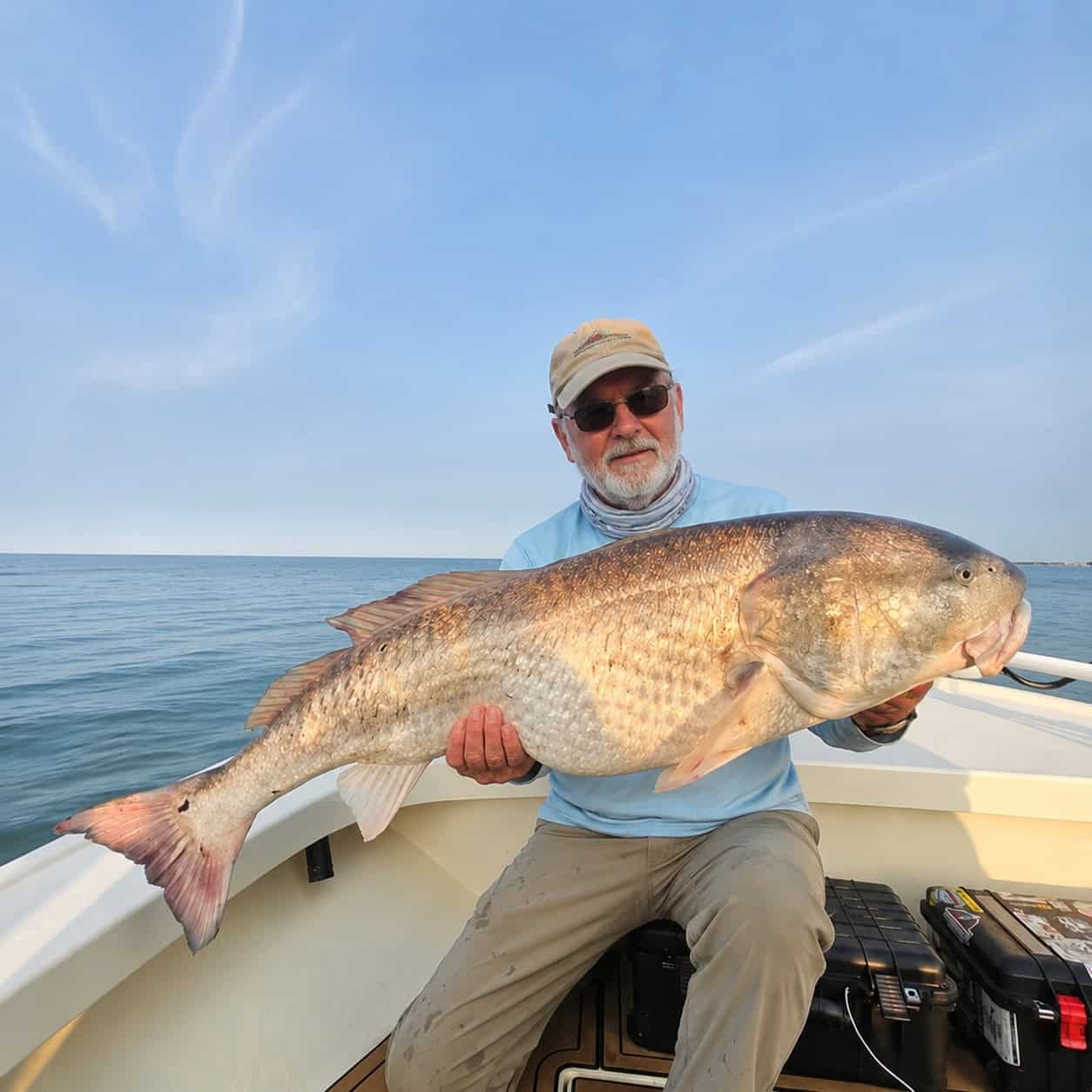
Few fish are more closely connected to the Outer Banks than the red drum. The species is North Carolina’s official state saltwater fish, and every fall anglers travel from across the country hoping to hook one from the beach.
From late September through November, large red drum move along the shoreline in impressive numbers. Fish in the 20-50 pound range are common, and every season produces fish that exceed that.
Reading the Beach
The Outer Banks is constantly changing. Storms reshape sandbars. Tides open and close cuts. Wind can transform a productive stretch of beach overnight. The anglers who consistently catch fish are usually the ones paying attention to the water before they ever make a cast.
Look for deeper troughs, gaps in sandbars, points that create current seams, and birds working bait near shore. Fish rarely spread evenly across the beach. They gather around structure, moving water, and food.
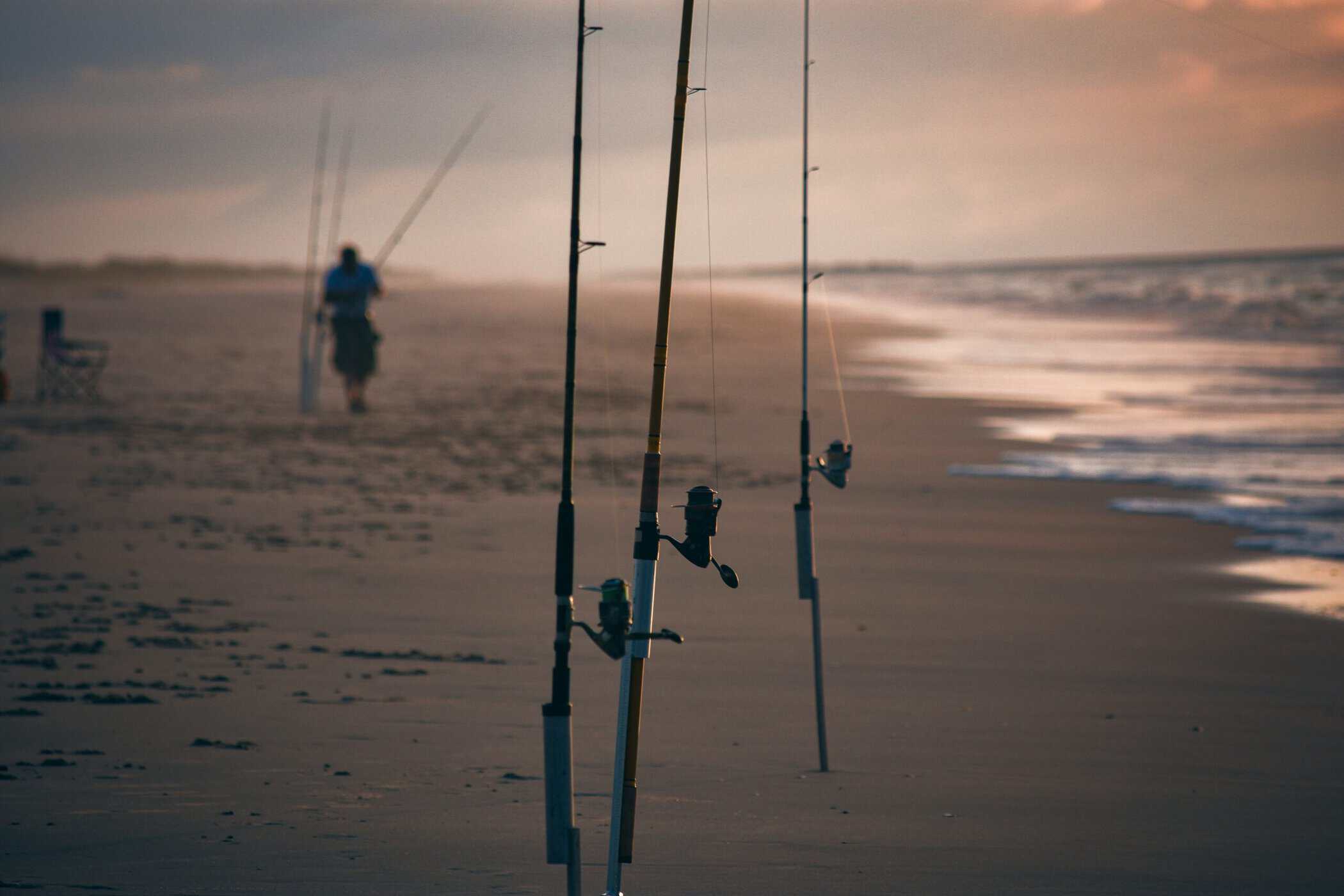
Essential Surf Fishing Gear
A 10-12 foot surf rod and spinning reel combo covers most Outer Banks surf fishing situations. Pair it with a few fish finder rigs, pyramid sinkers, and fresh bait from a local tackle shop.
A sand spike is one of the most useful pieces of equipment you can bring. If you plan on walking long distances from beach accesses, a beach cart quickly becomes worth its weight in gold.
LOCAL KNOWLEDGE
The beach you fished yesterday may not fish the same today. Conditions change constantly on the Outer Banks. If a stretch of shoreline looks lifeless, keep moving. The next cut or trough may only be a few hundred yards away.
ORV PERMITS AND ACCESS
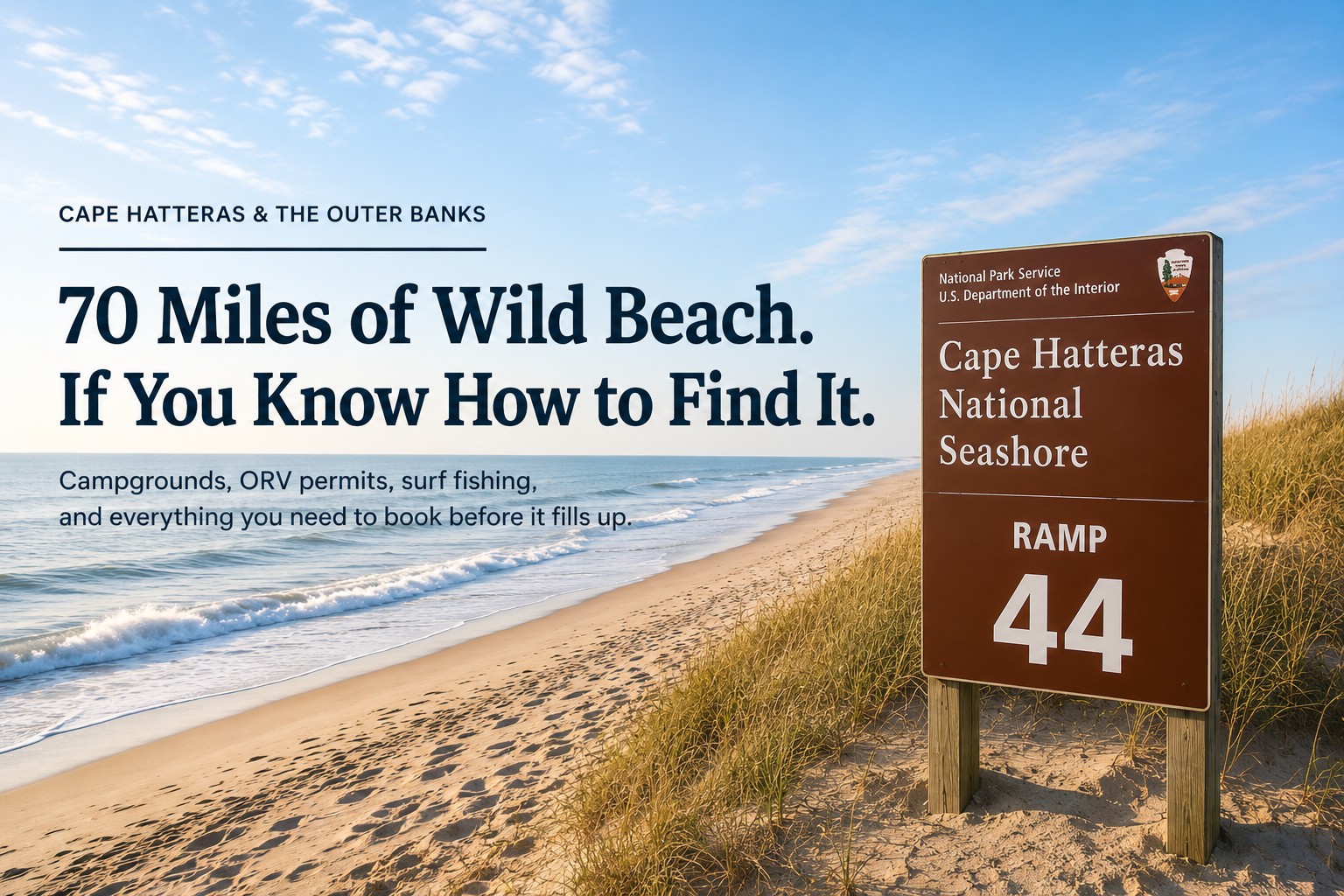
Driving on National Seashore beaches requires an ORV permit and seasonal wildlife closures can affect access throughout the year. Check current conditions before your trip and verify ramp access before heading onto the beach.
PIER FISHING
Fishing the Outer Banks Piers
Pier fishing is the most accessible way to fish the OBX. No vehicle permit, no boat, no waders required. Walk out over the surf, drop your line, and you are fishing the same Atlantic that surf anglers and charter boats are working, just from a different angle.
Piers give you height, structure, and deeper water without needing to cast from the beach. They also make it easier to spot bait, watch birds, and see what other anglers are catching. For families, first-time visitors, and anyone without surf gear, this is usually the easiest place to start.
The OBX piers range from full-service operations with bait shops, tackle, rental rods, restaurants, and live music to simpler fishing-first piers. Most charge a daily rod fee. Some carry a blanket fishing license that covers anglers on the pier. Always confirm current fees, hours, and license rules before you go.
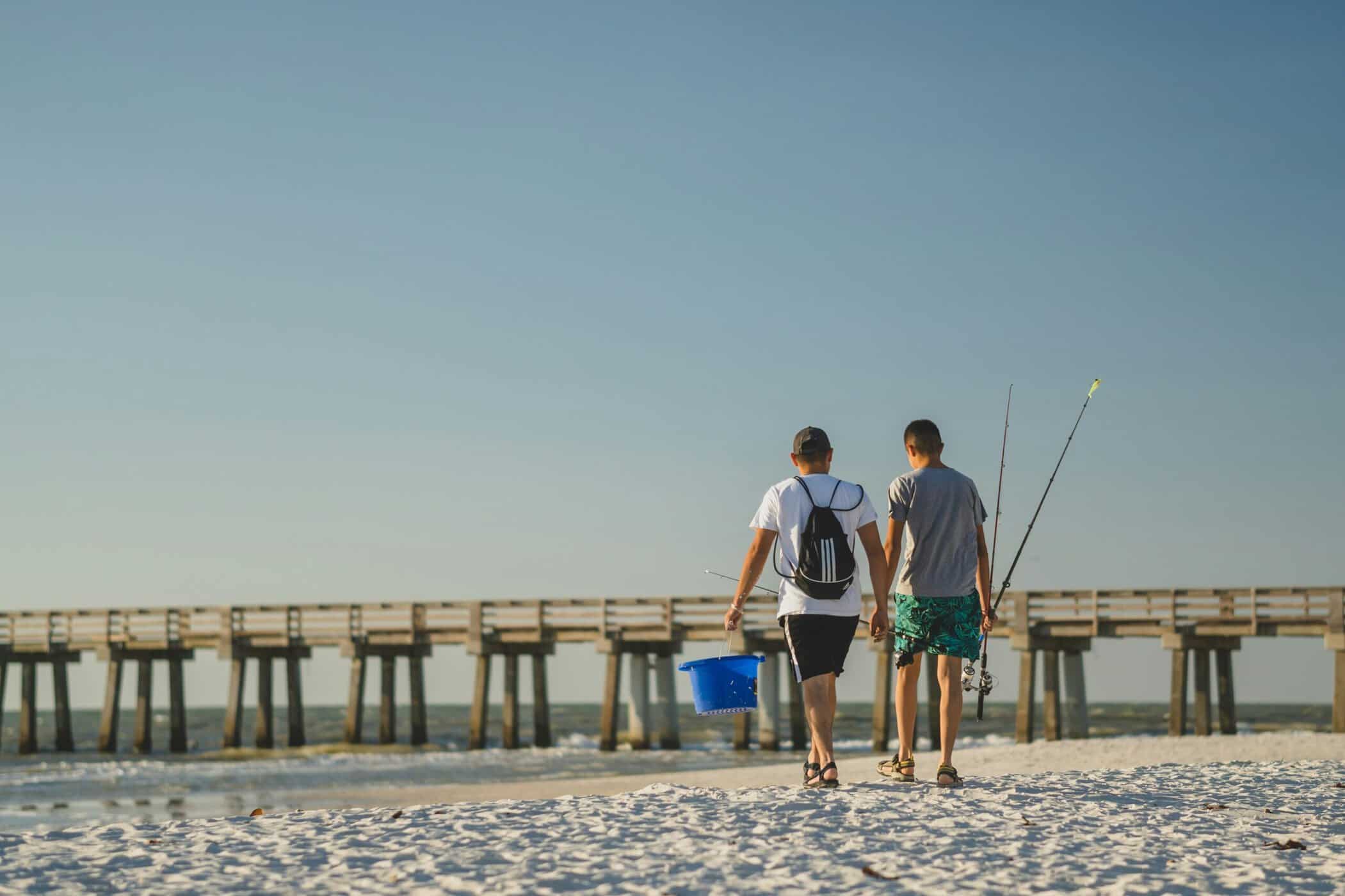
BEST FOR FAMILIES • NAGS HEAD
Jennette’s Pier
Jennette’s Pier is one of the best starting points for visitors who want a clean, family-friendly fishing experience. Operated as part of the North Carolina Aquarium system, the pier stretches roughly 1,000 feet into the Atlantic and includes educational exhibits, rental rods, bait and tackle, restrooms, and beach access.
This is the pier to choose if you are fishing with kids, traveling with non-anglers, or simply want the easiest introduction to OBX fishing.
CLASSIC OBX • NAGS HEAD
Nags Head Fishing Pier
Nags Head Fishing Pier is one of the classic Outer Banks pier experiences, with oceanfront dining, a central location, and decades of fishing history behind it.
If you are staying in Nags Head, this is one of the easiest places to spend a few hours fishing without committing to a longer trip.
BEST ALL-AROUND • KILL DEVIL HILLS
Avalon Pier
Avalon Pier combines serious fishing with a fun atmosphere. Bait and tackle, food, a beach bar, arcade, and a strong local following make it one of the most complete pier experiences on the Outer Banks.
When Spanish mackerel and bluefish are moving, Avalon can be one of the busiest piers on the beach.
BEST SOCIAL SCENE • SOUTH NAGS HEAD
Outer Banks Fishing Pier
Fish Heads Bar & Grill gives this pier a personality all its own. Fishing, food, drinks, and live music make it one of the easiest choices for mixed groups where not everyone wants to spend the day holding a rod.
The fishing remains solid, but this is also one of the best places on the beach to combine a meal, a drink, and a few hours on the water.
NORTHERN BEACHES • KITTY HAWK
Kitty Hawk Pier
One of the oldest piers on the Outer Banks, Kitty Hawk Pier remains a convenient option for visitors staying in Kitty Hawk, Southern Shores, or Duck.
Fishing access can change because of repairs, storms, or property restrictions, so always verify current conditions before visiting.
OREGON INLET • FREE PUBLIC ACCESS
Bonner Bridge Pier
Built from a section of the original Bonner Bridge, this public fishing pier provides access to productive inlet water without needing a boat.
The setting is dramatically different from the ocean piers, with strong current, moving bait, and views of Oregon Inlet and Bodie Island Lighthouse.
DUCK • LANDMARK ONLY
Duck Research Pier
The longest pier structure on the Outer Banks is not open to public fishing. Operated as a federal research facility, it serves as a landmark rather than a fishing destination.
PIER OR SURF?
Choose a pier if you are traveling with kids, do not have surf gear, want rental tackle, or only have a few hours to fish. Choose the surf if you want more room, more solitude, and a better shot at larger drum during the fall run. Both are worth doing. They are simply different experiences.
LOCAL KNOWLEDGE
When Spanish mackerel and bluefish are running, watch what the regulars are throwing. Small metal casting spoons, Got-Cha plugs, and fast retrieves often outfish bait from the pier end. If everyone suddenly starts casting toward the same stretch of water, there is usually bait or breaking fish nearby.
Pier Fishing Quick Reference
| Topic | What to Know |
|---|---|
| Best Species | Spanish mackerel, bluefish, pompano, sea mullet, flounder, king mackerel, trout, and red drum in season. |
| Best Time of Day | Early morning and late afternoon usually produce the most consistent action. |
| Best Seasons | Spring and fall are generally the most productive. Summer offers steady action and larger crowds. |
| Gear | Medium spinning rod, bait or casting lures, pliers, cooler, water, and sunscreen. |
| License | Some piers provide a blanket fishing license. Others require your own North Carolina Coastal Recreational Fishing License. Always verify before fishing. |
INSHORE FISHING
Inshore Fishing the Sounds and Backwaters
Most visitors focus on the ocean side of the Outer Banks and never fish the sounds. That is a mistake. Behind the barrier islands sits a vast network of shallow water, grass flats, marshes, tidal creeks, and protected shorelines that produce some of the most consistent fishing on the OBX.
The Pamlico Sound, the largest lagoon on the East Coast, stretches behind much of Hatteras Island. Farther north, Currituck Sound borders Corolla and Carova. Around Manteo, Roanoke and Croatan Sounds connect the islands, marshes, and inlets that make up the heart of the Outer Banks estuary system.
Unlike surf fishing, you do not need long casts or heavy tackle. Inshore fishing is often calmer, easier to learn, and more forgiving for beginners. Red drum, speckled trout, flounder, striped bass, black drum, and bluefish all move through these waters depending on season and location.
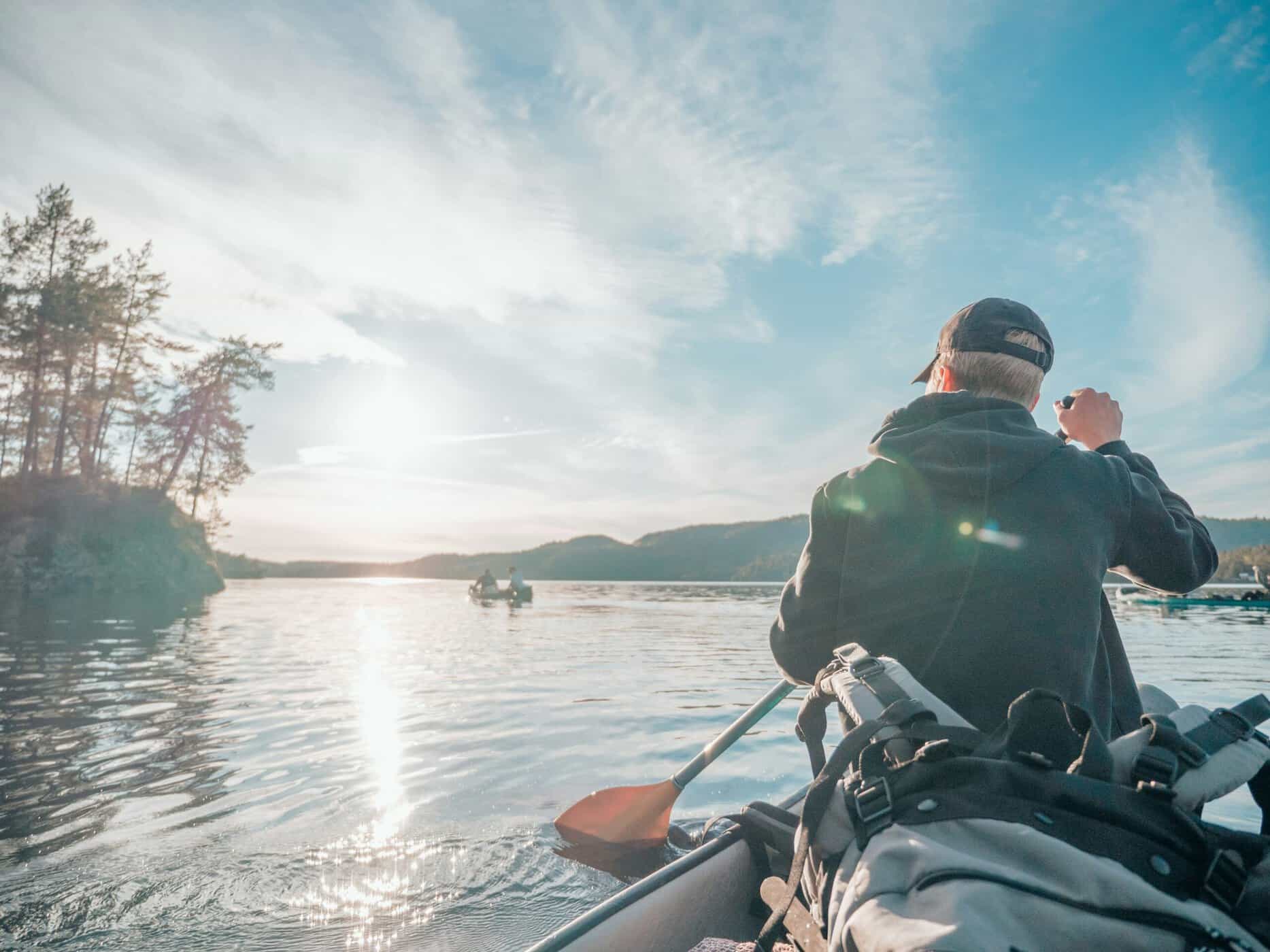
BEST OVERALL • PAMLICO SOUND
Pamlico Sound
Pamlico Sound is the center of inshore fishing on the Outer Banks. Redfish, speckled trout, flounder, black drum, and striped bass all use the grass beds, creek mouths, oyster structure, and shallow flats that stretch behind Hatteras Island.
Sound-side access points run throughout Rodanthe, Avon, Buxton, Frisco, and Hatteras Village. The combination of shallow water, healthy habitat, and relatively light fishing pressure creates some of the most productive inshore fishing in North Carolina.
Fall is the standout season. While surf anglers chase drum on the ocean side, many experienced anglers slide into the sound and target the same fish on lighter tackle in calmer water.
NORTHERN OBX • CURRITUCK SOUND
Currituck Sound
Currituck Sound offers a different experience than Pamlico. The water is generally shallower, more protected, and often less salty. It is an excellent destination for kayak fishing, crabbing, wildlife viewing, and light-tackle fishing around marsh edges and grass flats.
Most visitors choose Currituck for its calmer conditions rather than trophy fishing opportunities. It is a great choice for beginners, families, and paddlers looking to explore protected water.
Launch points around Corolla and Duck provide easy access to quiet sections of the sound that see far less pressure than the ocean beaches.
Explore Corolla and Currituck Sound →TRANSITION ZONE • OREGON INLET
Oregon Inlet
Oregon Inlet is where the Atlantic Ocean and Pamlico Sound meet. Strong tidal movement, changing channels, deep water, and constant bait movement create one of the most dynamic fishing environments on the Outer Banks.
Redfish, flounder, speckled trout, bluefish, striped bass, and black drum all move through the inlet system. The same waters also support nearshore charter fishing and provide access to some of the best fishing grounds on the East Coast.
Bodie Island Lighthouse sits just north of the inlet, while public ramps and access points make it one of the easiest places for visiting anglers to reach productive water.
CENTRAL OBX • MANTEO
Roanoke Sound and Croatan Sound
The waters surrounding Roanoke Island often get overlooked by visitors focused on Hatteras or the northern beaches. That is good news for anglers. Redfish, speckled trout, striped bass, flounder, and black drum all use the marshes, grass beds, and channels surrounding Manteo.
This area offers some of the easiest access on the Outer Banks. If you are staying in Nags Head, Kill Devil Hills, or Manteo, these waters are often much closer than making the drive south to Hatteras Island.
For visitors who want to try inshore fishing for the first time, Roanoke Sound is one of the easiest places to start.
SOUND FISHING VS SURF FISHING
Surf fishing is iconic, but it is not always the easiest option. Inshore fishing usually means lighter tackle, shorter casts, calmer conditions, and more consistent action. If you are introducing kids to fishing, learning to fish from a kayak, or simply want a more relaxed experience, the sounds are often a better choice than battling waves and current in the surf.
KAYAK FISHING THE SOUNDS
The Outer Banks sounds are ideal kayak water. Much of the shoreline is too shallow for larger boats but perfect for fishing kayaks and small skiffs. Grass flats, marsh edges, creek mouths, and oyster bars all become accessible without fuel, trailers, or crowded boat ramps.
Many anglers discover that a kayak opens more productive water than a larger boat. Some of the best redfish and trout habitat on the OBX sits in water only a few feet deep.
Inshore Fishing Quick Reference
| Topic | What to Know |
|---|---|
| Primary Species | Red drum, speckled trout, flounder, striped bass, black drum, bluefish, and seasonal visitors depending on water temperature. |
| Best Access | Sound-side ramps throughout Hatteras Island, Manteo waterfront launches, Duck access points, and Corolla sound launches. |
| Best Seasons | Spring and fall usually produce the most consistent action. Summer offers mixed-species fishing while winter can provide striped bass opportunities. |
| Best For | Beginners, kayak anglers, families, light-tackle fishing, and anglers looking for calmer water than the Atlantic surf. |
| Safety | Check wind forecasts before launching. Wear a PFD, carry a phone in a waterproof case, and remember that large sounds can build significant chop during windy conditions. |
OFFSHORE CHARTERS
Offshore Fishing and Charter Boats
The Outer Banks sits closer to the Gulf Stream than almost anywhere else on the East Coast. Depending on conditions, blue water may begin only 20 to 40 miles offshore. That proximity is what makes OBX offshore fishing special. Charter boats can reach productive water, fish all day, and still return to the dock before evening.
For many visitors, offshore fishing becomes the highlight of the trip. Mahi, yellowfin tuna, wahoo, sailfish, white marlin, and blue marlin are all possible depending on season and conditions.
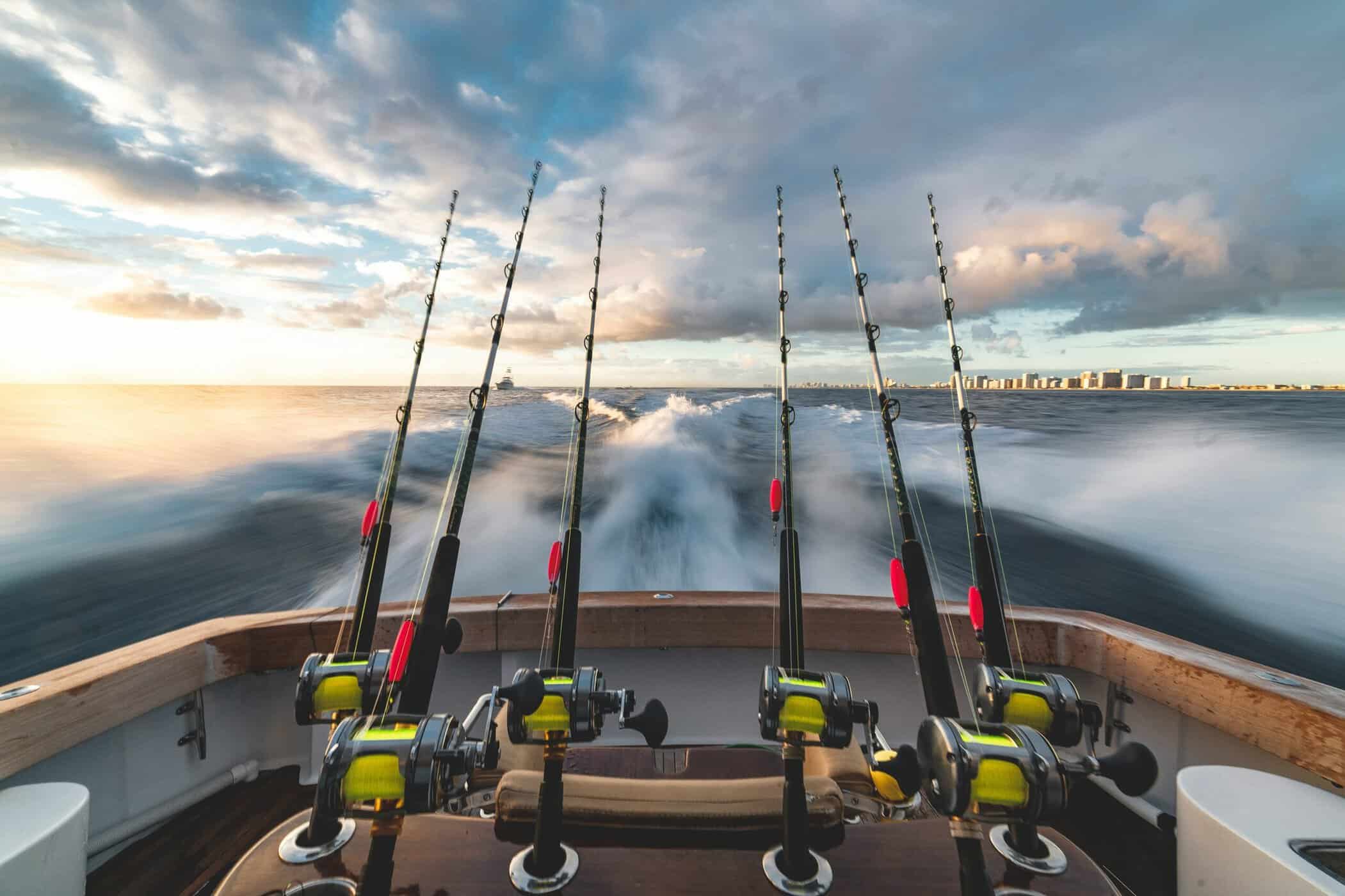
Two Charter Hubs, Two Different Experiences
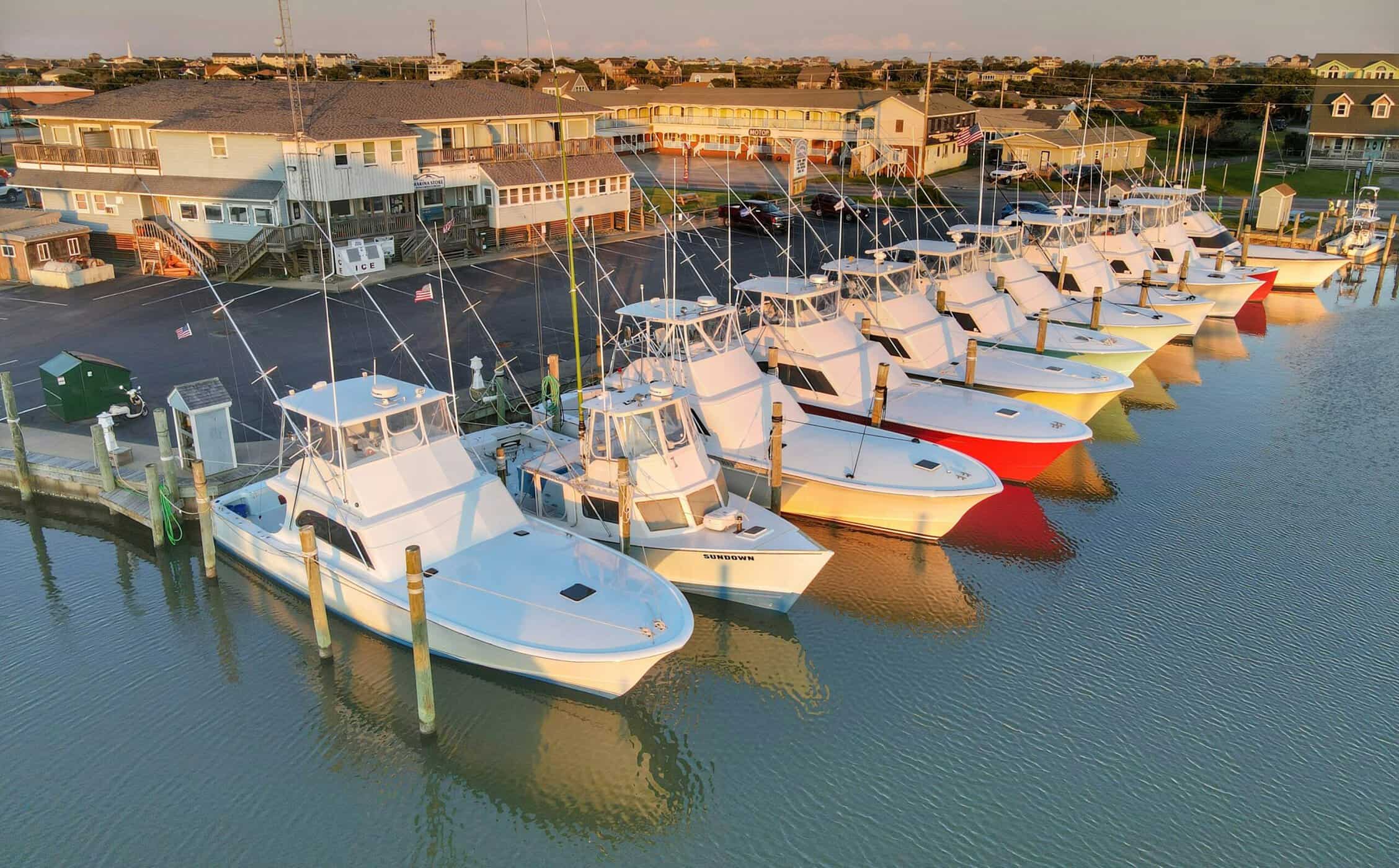
Most visitors choose between Oregon Inlet and Hatteras Village. Both offer excellent fishing, but the best option depends on where you are staying and how much of your trip revolves around offshore fishing.
Oregon Inlet
Best for visitors staying in Nags Head, Kill Devil Hills, Kitty Hawk, Duck, Corolla, or Manteo. Convenient access and one of the largest charter fleets on the East Coast.
Hatteras Village
Best for anglers staying on Hatteras Island or building an entire trip around Gulf Stream fishing. Often provides a shorter run to blue water.
Which Charter Is Right for You?
First-time visitors: Start with a half-day nearshore trip. You get the offshore experience without committing to a long day in open water.
Families with kids: Nearshore, inshore, and headboat trips usually provide more action and easier conditions than a full offshore run.
Serious anglers: Book a full-day Gulf Stream charter targeting tuna, mahi, wahoo, or billfish.
Budget-conscious groups: Shared charters and headboats cost significantly less than private offshore trips.
What to Expect on a Charter
Most boats provide the fishing gear. You bring the comfort items that make the day enjoyable.
Usually included: Rods, reels, tackle, bait, licenses, and fish cleaning.
Bring yourself: Food, drinks, sunscreen, motion sickness medication, layers, polarized sunglasses, and a cooler for your catch.
Book early: Prime summer dates and fall fishing trips often sell out weeks or months ahead.
TOURNAMENT SEASON
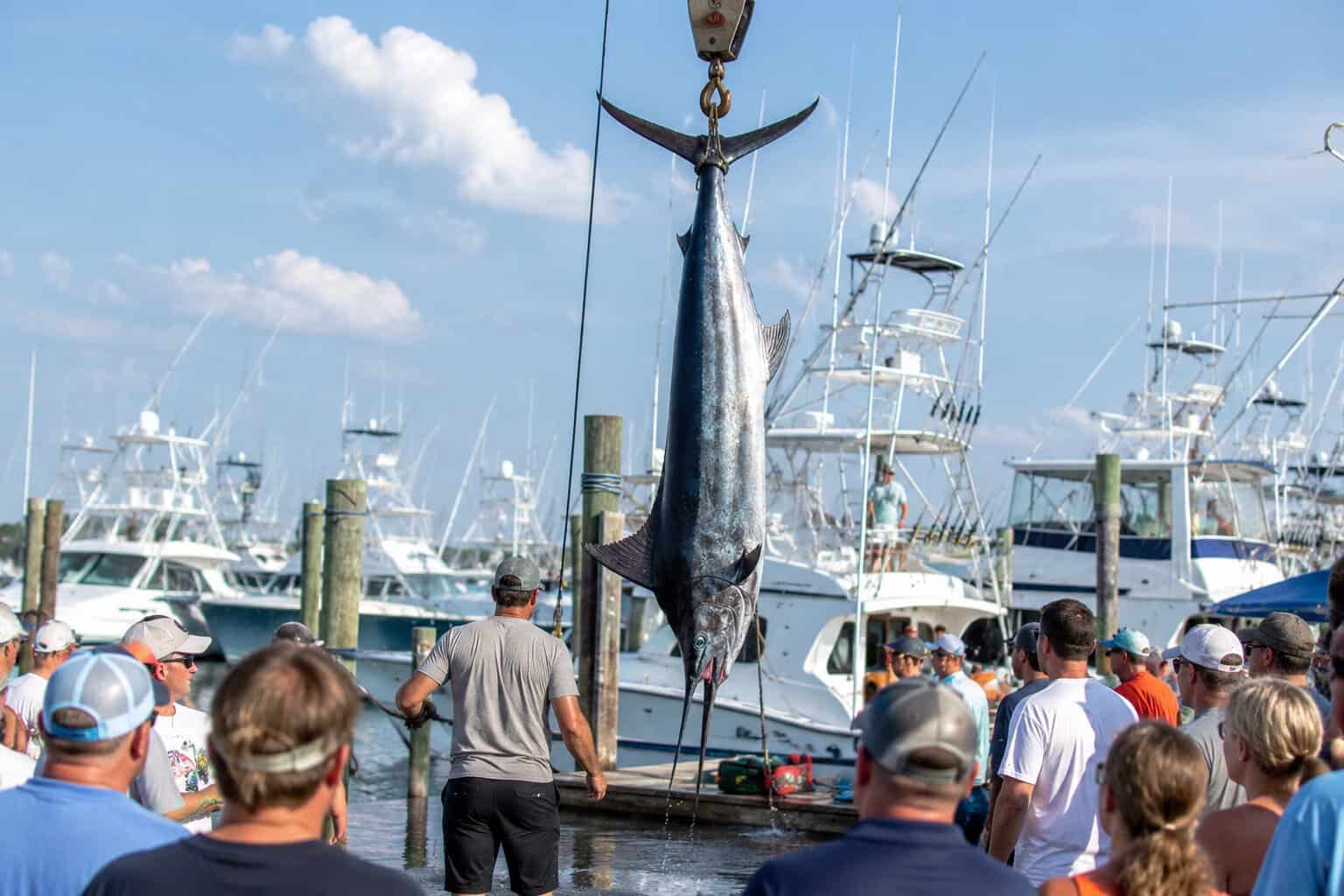
From May through August, offshore tournaments become part of the culture of the Outer Banks. Events such as the Hatteras Village Offshore Open, Oregon Inlet Mate’s Pool Tournament, Pirates Cove Billfish Tournament, and Alice Kelly Memorial Tournament draw boats from across the East Coast.
Even if you never step aboard a charter boat, the dockside atmosphere is worth experiencing. Tournament weigh-ins bring together captains, crews, spectators, and anglers in a way that few other OBX events can match.
If you plan to fish during tournament weeks, book charters and accommodations early. Availability tightens quickly around major events.
WEATHER DELAYS HAPPEN
Offshore trips depend on sea conditions. Wind, storms, rough seas, tropical systems, and inlet conditions all affect whether boats leave the dock. Scheduling your charter early in your vacation gives you flexibility if weather forces a cancellation.
MOTION SICKNESS IS REAL
If you have never been offshore, do not assume you will be fine. Even calm days can involve rolling ocean swells. Taking motion sickness medication before symptoms start is usually far more effective than waiting until you feel sick.
BOOK YOUR CHARTER
FishingBooker remains one of the easiest ways to compare Outer Banks charter operators by trip type, availability, reviews, and pricing.
Browse OBX Charters on FishingBooker →RULES AND LICENSES
What You Need Before You Fish the Outer Banks
Fishing rules on the Outer Banks are not complicated, but you do need to handle the basics before you cast. Most anglers need a North Carolina Coastal Recreational Fishing License. Beach driving requires a separate ORV permit in designated areas. Size limits, seasons, and harvest rules change, so always check current regulations before your trip.
North Carolina Coastal Fishing License
Most anglers age 16 and older need a NC Coastal Recreational Fishing License to fish coastal waters, including the surf, sounds, inlets, and many shore access areas. Buy it online before you arrive or from a local tackle shop.
Buy a NC Fishing License →Pier Fishing Licenses
Some Outer Banks piers carry a blanket license that covers anglers fishing from the pier. Others may require you to have your own license. Always confirm current rules with the pier before fishing.
Cape Hatteras ORV Permit
If you plan to drive on designated beaches inside Cape Hatteras National Seashore, you need an ORV permit. This is separate from your fishing license. You need both if you plan to drive onto the beach and fish from your vehicle-access spot.
Get an ORV Permit →Carova Beach Parking Permit
During peak season, vehicles parked on the 4WD beaches north of Corolla may need a Currituck County beach parking permit. These permits are limited and can sell out, so check before heading to Carova.
Check Currituck Beach Parking Rules →Current Size and Bag Limits
Rules for red drum, flounder, speckled trout, striped bass, and other species change periodically. Always check the current North Carolina coastal fishing regulations before keeping fish.
Check Current NC Coastal Limits →KNOW BEFORE YOU GO
The most common mistake visitors make is assuming last year’s rules still apply. Flounder seasons, trout limits, red drum rules, and harvest reporting requirements can change. Check current regulations before your trip, especially if you plan to keep fish.
SPECIES GUIDE
What Fish Can You Catch on the Outer Banks?
The Outer Banks supports one of the most diverse recreational fisheries on the East Coast. Surf anglers, pier fishermen, kayak anglers, and offshore charter crews may all target completely different species on the same day. A fall surf fisherman chasing red drum is fishing very different water than an offshore crew running toward the Gulf Stream for mahi and tuna.
If you’re planning only one fishing trip to the Outer Banks, many anglers would build it around the fall red drum run. Offshore anglers often focus on mahi, tuna, and wahoo, while inshore fishermen target speckled trout, redfish, and flounder throughout the sounds and marshes behind the barrier islands.
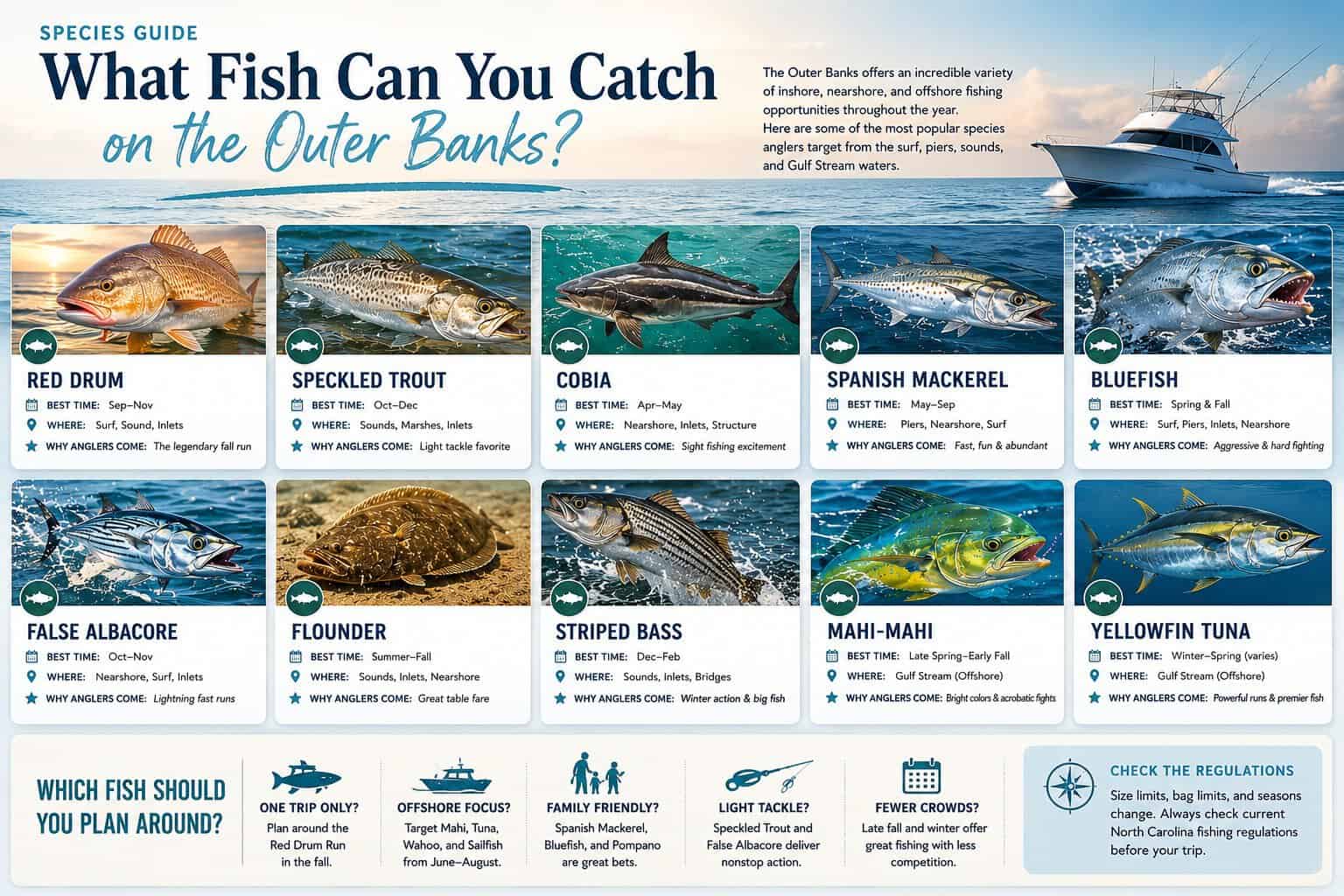
No single season produces every species at its peak. Cobia arrive in spring. Offshore fishing reaches its stride during summer. Red drum, speckled trout, and false albacore dominate fall. Winter brings striped bass, quiet beaches, and some of the lowest fishing pressure of the year.
Understanding when these migrations occur is often more important than choosing one specific fishing spot. The best place to fish in May may be completely different from the best place to fish in October.
LOCAL KNOWLEDGE
Few fish are more closely tied to the Outer Banks than the red drum. It is North Carolina’s official state saltwater fish and the species many surf anglers travel hundreds of miles hoping to catch during the famous fall migration.
Outer Banks Fishing by Season
The Outer Banks fishes year-round, but the experience changes dramatically from season to season. Species move through on different timelines, surf access changes, water temperatures rise and fall, and charter opportunities shift throughout the year.
If you only want one answer, fall is the best overall fishing season on the OBX. The red drum run, cooler weather, lighter crowds, and strong inshore action make September through November the window many anglers plan around.
That does not make the rest of the year quiet. Spring brings cobia and warming water. Summer is prime time for offshore charters and family pier fishing. Winter rewards anglers who like solitude and flexible plans.
FISH FOLLOW WATER TEMPERATURE
Fishing seasons do not follow the calendar perfectly. Warm winters, cold springs, storms, and shifting water temperatures can move migrations forward or backward by several weeks. Use seasonal patterns as a guide, but check current fishing reports before planning a trip around one specific species.
SPRING • MARCH THROUGH MAY
Cobia Migration and the Start of the Season
Spring marks the return of active fishing across the Outer Banks. Water temperatures climb, bait returns to the beaches, and anglers start shifting attention back toward the coast after winter.
The headline species is cobia. These large migratory fish move north along the Atlantic coast and pass through OBX waters each spring. Sight fishing for cobia from boats and nearshore structure is one of the most exciting experiences in North Carolina fishing.
Spanish mackerel begin showing up as the water warms. Inshore fishing improves steadily for redfish, trout, and flounder. Charter captains start running more regularly, and the beaches remain less crowded than they are in summer.
Best for: Cobia, Spanish mackerel, red drum, speckled trout, flounder, and fewer crowds.
SUMMER • JUNE THROUGH AUGUST
Offshore Charters and Family Fishing
Summer is when the offshore fleet runs hard. Mahi, tuna, wahoo, sailfish, and marlin become primary targets as charter boats run toward Gulf Stream waters.
Pier fishing is also at its busiest. Spanish mackerel, bluefish, king mackerel, and pompano provide steady action through much of the season. Families often find piers and nearshore charters easier than spending long, hot days in the surf.
The tradeoff is crowd level. Beaches, ramps, piers, campgrounds, restaurants, and charter calendars all operate at peak demand. Heat and humidity also make early morning and evening fishing much more comfortable than midday.
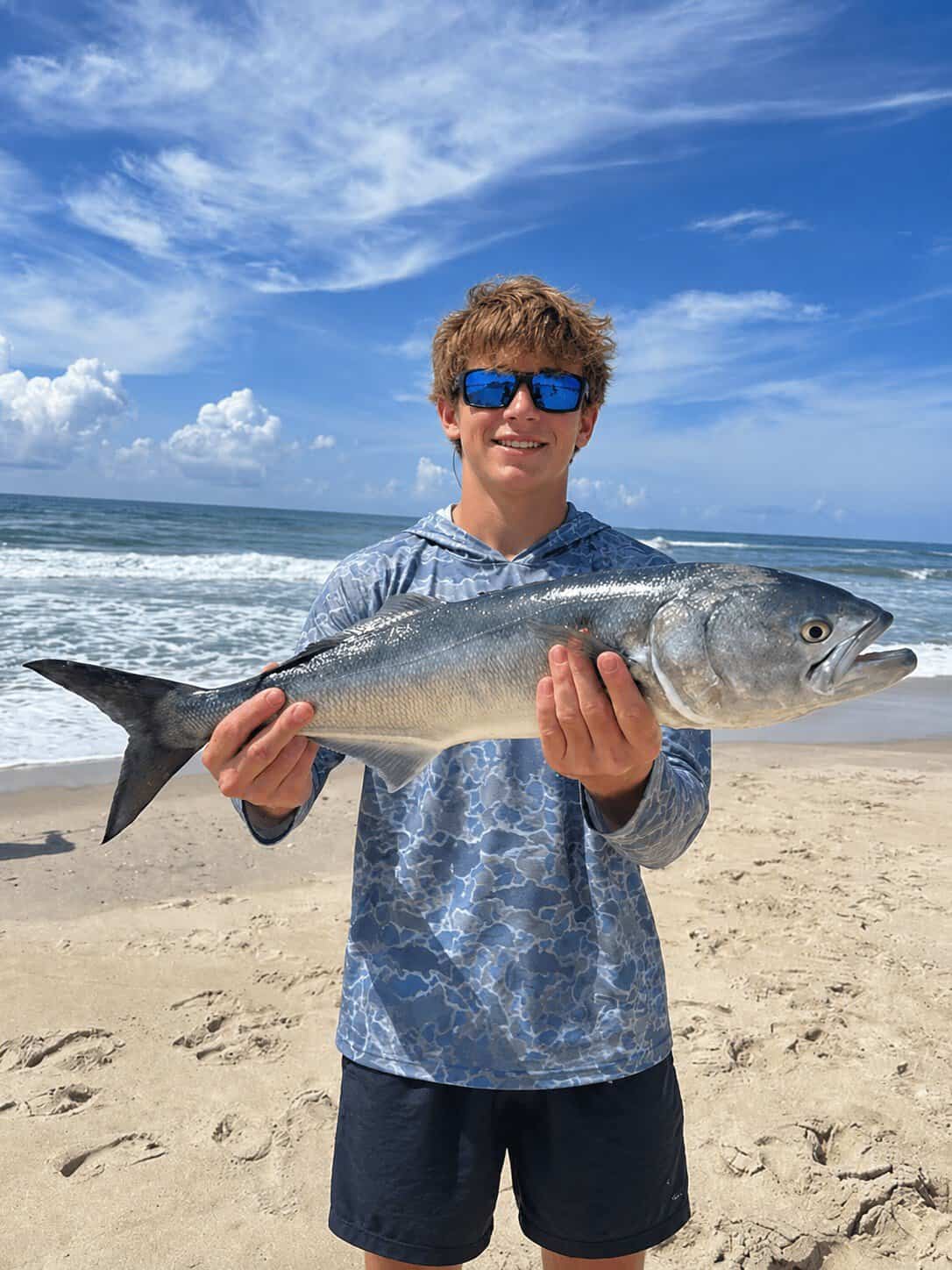
Best for: Offshore charters, family fishing trips, pier fishing, Spanish mackerel, bluefish, mahi, tuna, and king mackerel.
FALL • SEPTEMBER THROUGH NOVEMBER
The Red Drum Run
If the Outer Banks has a signature fishing season, this is it.
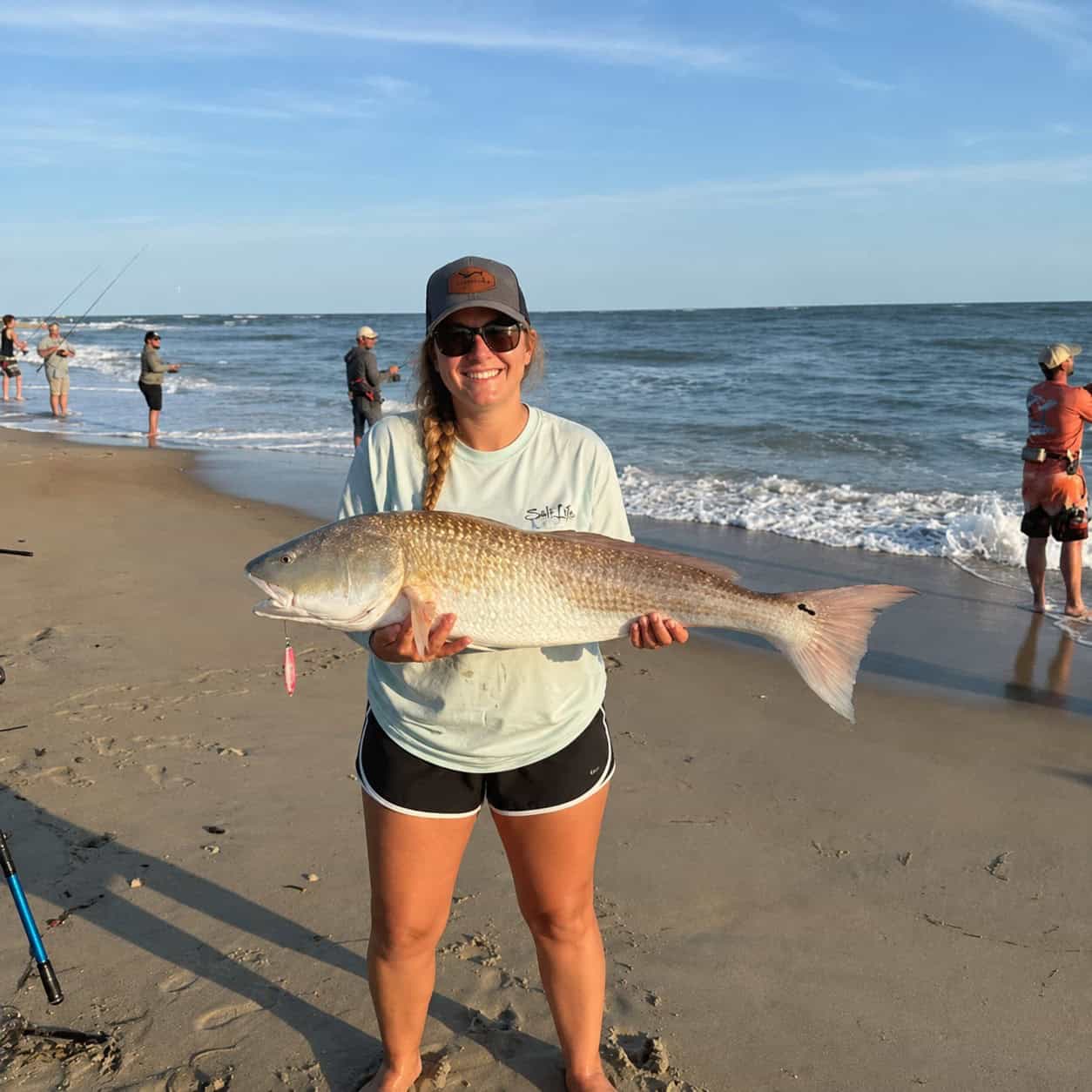
From late September through November, large red drum move along the beaches and sound edges in numbers that attract anglers from across the country. Fish in the 20 to 50 pound range are common, and larger fish are caught every season.
Cape Point becomes the center of attention when access allows, but the migration extends well beyond Hatteras. Corolla, Ocracoke, Oregon Inlet, and the sound side all see strong action during the fall run.
False albacore arrive in October. Speckled trout fishing peaks. Striped bass begin showing up in some areas. The weather improves, humidity drops, and many summer crowds disappear.
This is the season experienced OBX anglers talk about most.
Best for: Red drum, false albacore, trout, striped bass, cooler weather, and the best overall fishing conditions of the year.
WINTER • DECEMBER THROUGH FEBRUARY
Quiet Water and Empty Beaches
Winter fishing gets far less attention than it deserves. Most tourists are gone. Traffic disappears. Lodging prices drop. The beaches often feel like a completely different destination.
Striped bass become the headline species in many areas. Speckled trout, red drum, and other inshore species remain available depending on weather and water temperature. Mild winter days can produce surprisingly good fishing with almost no competition.
Conditions can change quickly, and cold fronts have a major impact on fishing patterns. Flexibility matters more than it does during the warmer months.
Winter is not the best season for visitors chasing numbers of fish. It is one of the best seasons for visitors who enjoy solitude.
Best for: Striped bass, quiet beaches, photography, lower lodging costs, and uncrowded fishing.
Best Month for Outer Banks Fishing
October is the best single month for many OBX fishing trips. The red drum run is active, false albacore arrive, speckled trout fishing improves, and the weather is far more comfortable than midsummer.
May is the better choice for cobia. June through August are stronger for offshore charter trips. November is one of the best months for anglers who want good fishing with fewer crowds.
LOCAL KNOWLEDGE
Many experienced anglers would rather fish a calm October day than a busy July weekend. Cooler water, lighter crowds, active migrations, and more comfortable weather often make fall the most productive season on the Outer Banks.
GEAR GUIDE
What to Bring for OBX Fishing
OBX fishing covers a wide range of styles — surf, pier, inshore, and offshore all require different gear. These four categories cover the essentials for the most common OBX fishing trips. Start with what matches your trip type and build from there.
SURF FISHING
Surf Rod Setup
A 10-12 foot heavy surf rod paired with a large spinning reel spooled with 20-30 lb braided line is the standard OBX surf setup. You need the length for distance casting into breaking surf and the capacity to handle a 40-pound red drum. Don’t show up with a light freshwater rod and expect it to work.
Shop Surf Rod Setups →SURF FISHING
Sand Spikes and Rod Holders
Surf fishing on the OBX typically means soaking bait and waiting. Sand spikes keep your rod upright and your line in the water while you rig another rod, eat lunch, or watch the horizon. Essential gear for anyone fishing more than one rod on the beach — which is most surf anglers.
Shop Sand Spikes →INSHORE / SOUND
Inshore Spinning Setup
Inshore sound fishing calls for lighter gear than the surf — a 7-foot medium spinning rod with 10-15 lb braid and a fluorocarbon leader handles redfish, speckled trout, and flounder effectively. Kayak anglers especially benefit from a lighter, more versatile setup that works for both casting and jigging in shallow water.
Shop Inshore Setups →ALL FISHING
Cooler and Fish Handling
A quality hard-sided cooler with ice keeps your catch in good condition from beach to table. Don’t rely on a soft-sided bag in OBX summer heat — fish deteriorate fast in warm conditions. A fish gripper, pliers for hook removal, and a measuring board round out the basics for anyone planning to keep their catch.
Shop Fishing Coolers →BAIT AND TACKLE ON THE OBX
Every major fishing area on the OBX has at least one bait and tackle shop nearby — Oregon Inlet, Hatteras Village, Avon, Buxton, and the Nags Head area all have well-stocked shops. Fresh cut mullet and menhaden are the standard surf baits and are available at most tackle shops during the season. Buy bait locally rather than traveling with it — freshness matters more than convenience, and local shops know exactly what’s working that week.
FAQ
Common Questions About Outer Banks Fishing
Do you need a fishing license on the Outer Banks?
Yes. A North Carolina Coastal Recreational Fishing License is required for surf fishing, pier fishing, and sound fishing. Children under 16 are exempt. Charter boat passengers are typically covered by the boat’s license — confirm with your captain. Some piers include the license in their rod fee. Purchase online at ncwildlife.org before your trip.
When is the best time to fish the Outer Banks?
Fall — September through November — is the consensus best window. The red drum run, false albacore, cooler temperatures, and fewer crowds make it the season serious OBX anglers plan around. Spring is strong for cobia and Spanish mackerel. Summer peaks for offshore action. Winter is underrated for striped bass and speckled trout with almost no crowds.
What is the red drum run and when does it happen?
The fall red drum migration brings channel bass — locally called drum or red drum — stacking up along the OBX barrier island beaches from late September through November. Fish in the 20-50 pound range are common. Cape Point is ground zero when accessible, but the fish run the entire coastline. It’s the most anticipated fishing event of the year on the OBX and the reason serious anglers book their trips a year ahead.
Is Cape Point always accessible for fishing?
No. Cape Point sits inside Cape Hatteras National Seashore and is subject to seasonal ORV closures for nesting shorebirds and sea turtles — typically from mid-April through mid-October. The closures change throughout the season and affect specific ramps and beach sections. Always check current access conditions before making the trip. Text CAHAORV to 333111 for real-time alerts.
Do you need a 4WD vehicle to surf fish on the OBX?
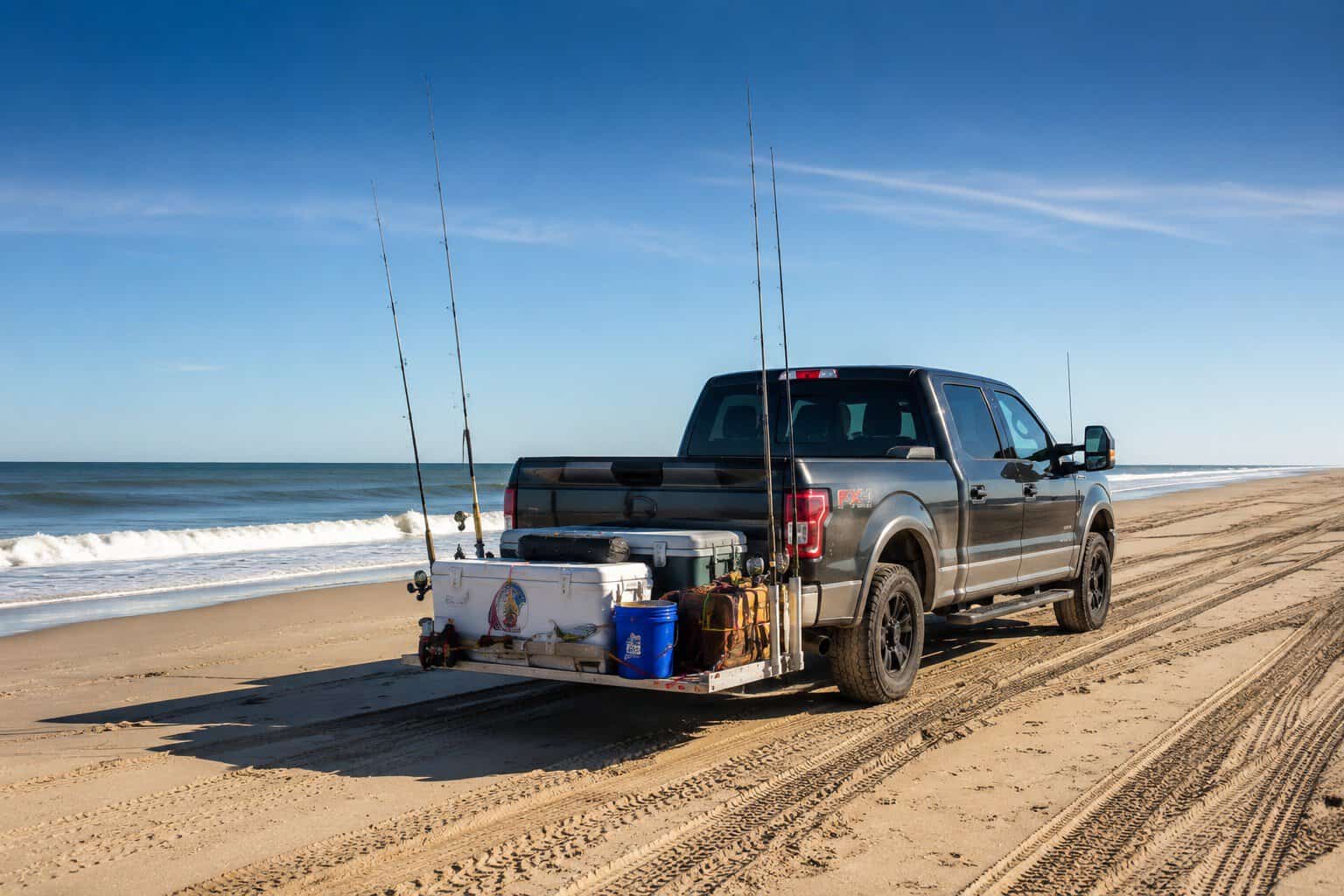
Not for all surf fishing. Nags Head, Kill Devil Hills, and Kitty Hawk beaches have standard vehicle parking access. But the best surf fishing spots — Cape Point, the Hatteras Island beaches, Carova — require either a 4WD vehicle with an ORV permit or a short walk from a standard access point. If you want to fish the most productive water, 4WD access matters.
How much does an OBX fishing charter cost?
Costs vary significantly by trip type. Half-day nearshore trips typically run $600-900 for a private charter. Full-day offshore trips range from $1,200-2,000 or more depending on boat size and target species. Headboat trips with shared costs run considerably less. Prices increase during tournament season and peak summer weeks. FishingBooker is the easiest place to compare current pricing across operators.
What fish can you catch surf fishing on the OBX?
Red drum, bluefish, pompano, flounder, sea mullet, striped bass, speckled trout, and black drum are all catchable from the surf depending on season. The fall run brings the biggest fish — drum in the 20-50 pound range are realistic targets from September through November. Spring and summer produce consistent bluefish and pompano action.
Is pier fishing good on the Outer Banks?
Yes — the OBX piers produce consistent action on Spanish mackerel, bluefish, flounder, king mackerel, and pompano throughout the season. Jennette’s Pier and Avalon Pier are the most productive and well-equipped. Pier fishing is also the most accessible option for anglers without a vehicle permit or boat — walk out and fish the same Atlantic the charter boats are working.
Can you kayak fish the Outer Banks sounds?
Absolutely — the Pamlico and Currituck Sounds are ideal kayak fishing water. Much of both sounds is too shallow for powered boats but perfect for a kayak. Redfish, speckled trout, and flounder all hold in the grass flats and creek mouths accessible only by shallow draft craft. Sound-side launch points in Duck, Corolla, and throughout Hatteras Island make access easy.
How far offshore is the Gulf Stream from the Outer Banks?
From Oregon Inlet, blue water typically starts within 20-40 miles offshore depending on the season and current position of the Gulf Stream. From Hatteras Village the run is shorter. The proximity of warm blue water is what makes OBX offshore fishing exceptional compared to most other East Coast departure points — charter boats can reach the Gulf Stream and return in a single day.
What’s the difference between a headboat and a private charter?
A headboat — also called a party boat — takes large groups of anglers who pay per person. It’s the most affordable way to fish offshore. A private charter books the entire boat for your group at a flat rate. Private charters offer more flexibility on target species, trip length, and fishing style. For families or serious anglers targeting specific species, a private charter is usually worth the additional cost.
Where do I buy a fishing license on the OBX?
Online at ncwildlife.org is the easiest option — buy it before you leave home. Most tackle shops on the OBX also sell licenses. Don’t count on finding a vendor if you’re heading to Ocracoke, Carova, or remote Hatteras Island beaches — buy it online first.
FINAL NOTE
The Outer Banks Fishes Well for Everyone
There’s no single right way to fish the Outer Banks. A family spending a week in Nags Head can walk out on Jennette’s Pier and catch bluefish and Spanish mackerel without a vehicle permit, a boat, or any prior experience. A serious surf angler can drive three hours south to Cape Point in October and stand in the middle of one of the most legendary fall fishing runs on the Atlantic coast. An offshore angler can board a charter at Oregon Inlet and reach blue water and billfish in under an hour.
The OBX accommodates all of it — beginner to expert, casual to obsessive, family vacation to dedicated fishing trip. What it doesn’t accommodate well is showing up unprepared. Know your license requirements before you arrive. Check Cape Point access conditions before you drive to Hatteras. Book your charter before the dates you want are gone.
The fishing here is as good as it’s always been. The anglers who get the most out of it are the ones who treat the planning as seriously as the fishing itself.
KEEP EXPLORING
More OBX Guides


Some links in this guide are affiliate links. If you book or purchase through them, we may earn a small commission at no additional cost to you. We only recommend gear, services, and resources we’d actually point someone toward.