

OCRACOKE ISLAND
Ocracoke Island Travel Guide
A slower Outer Banks guide for ferry logistics, beach camping, village stays, Blackbeard history, birding, and the practical details that matter before you go.
Quick Take
Ocracoke Island at a Glance
- Best for: quiet trips, ferry travel, history, birding, and a slower pace
- Skip it if: you need convenience, nightlife, or a tight schedule
- Stay length: better for 3 to 5 nights than a quick overnight
- Camping: primitive only, no hookups, exposed sites, wind and bugs are real
- Best time: late September into October
- Booking: recreation.gov opens six months in advance and fills fast
Some places earn their reputation by being easy to get to. Ocracoke earns its by being the opposite.
To reach it, you drive the full length of Hatteras Island, past Nags Head, Rodanthe, Buxton, Frisco, and Hatteras Village, all the way to the southern tip where the road ends. Then you wait for a ferry. Then you cross Pamlico Sound. Then you drive the length of Ocracoke Island to reach the village at the other end.
By the time you get there, you have earned this place.
That is not a complaint. That is the point. The drive and the ferry and the wait filter out people who are not serious about being here. What is left is one of the quietest, most unhurried places remaining on the East Coast.
The same geography that makes it inconvenient today is exactly what made it irresistible to pirates three hundred years ago. Ocracoke Inlet was the only navigable gap through the barrier islands for ships entering or leaving northeastern North Carolina. Every vessel had to pass through it. Edward Teach, Blackbeard, understood this immediately. From 1717 to 1718, Ocracoke was his base of operations. The waters still carry his name.

THE ISLAND
What Ocracoke Actually Is
No traffic lights. One main road. A harbor village that’s been doing its own thing for a long time and has no real interest in changing.
Most people base out of the village near Silver Lake. That’s where the harbor, restaurants, shops, and walkable island rhythm all come together. The town goes dark early — not as a figure of speech. Silver Lake sits flat and still in the evening with boats tied up, not much going on, and nothing that needs to.
Streets are narrow enough that bikes make more sense than cars. Most people figure that out within the first hour.
Local folklore says Blackbeard named the island — supposedly shouting something like “O Crow, Cock!” while impatiently waiting for dawn and his final battle. Historians argue about it. But it captures how completely his personality has been absorbed into this place. Three hundred years later, the island is still telling his story.
Ocracoke has also been shaped by hurricanes. Recent storms flooded the village and forced real rebuilding. Some things changed. Some things were lost. The character held. It’s still removed from the rest of the world in a way that’s getting harder to find.
Go if
You want quiet, distance, history, and the feeling of being genuinely removed from the rest of the Outer Banks.
Skip if
You need quick access, late nights, or a schedule that has to run on time.
GETTING THERE
Getting to Ocracoke
The Hatteras ferry is the most common route and the only free crossing. It runs from the southern tip of Hatteras Island to the north end of Ocracoke — roughly forty minutes on the water. The catch is the wait. In summer, especially on weekends, the line at the Hatteras terminal can stretch an hour or more. The ferry loads what it holds and goes. Miss the cut and you wait for the next one.
Get there early. Bring snacks. Don’t plan anything time-sensitive for the day you cross.

From the mainland, Cedar Island and Swan Quarter both run ferries to Ocracoke. These are paid crossings, usually around two to two and a half hours. Worth considering if you’re coming from the south or west and don’t want the full Hatteras drive. Reserve in advance, especially in summer.
Once you land, the ferry drops you at the north end of the island. The village, campground, harbor, and most visitor services are at the other end. About thirteen miles. Drive it slowly.
Check ferry schedules before you go. Times change and weather can shift things fast. Check current NC Ferry schedules — and check again the morning of your trip.
Hatteras ferry
Free. About 40 minutes crossing. Long summer waits. Arrives at the north end of the island.
Cedar Island ferry
Paid crossing. About 2.5 hours. Reserve in advance. Good option from the south or west.
Swan Quarter ferry
Paid crossing. About 2.5 hours. Reserve in advance. Connects from inland North Carolina.
Once you land
The village is 13 miles from the Hatteras ferry landing. Drive slow. This island doesn’t reward people in a hurry.
MAY WARNING
ate spring brings sand fleas to the entire Outer Banks, Ocracoke included. They’re small, they find every opening, and they’re unpleasant enough to ruin an otherwise good trip. Seal up your sleeping setup before dark and bring bug spray rated for biting insects, not just mosquitoes.
NPS CAMPGROUND
Ocracoke Island Campground
The campground sits right on the beach — ocean on one side, sound on the other. One of the better primitive setups on the East Coast when the timing is right.
No hookups. Tent camping and small self-contained rigs only. Sites are open and exposed — wind, sand, full sun. Same conditions as the rest of Cape Hatteras National Seashore. Bring sand stakes, a real windbreak, a tent rated for barrier island weather, and bug spray you’ll actually use.
What sets Ocracoke apart from the other Seashore campgrounds is what it takes to get there. You’re camping on an island that already feels cut off from the mainland, at a site that requires a ferry to reach. The nearest full grocery options are back on Hatteras Island. The village is thirteen miles away and closes early. Plan before you board the ferry. Bring everything.

Best for
The most remote camping experience on the Outer Banks. Couples, shoulder season trips, and anyone who’s done Cape Point and wants something quieter.
Hookups
None. Primitive only. Self-contained small rigs accepted.
Booking
Opens six months in advance on recreation.gov. Books fast — don’t wait on this one.
Logistics
Stock the cooler on Hatteras before you get in the ferry line. There’s no quick run back for anything you forget.
PLANNING A BIGGER TRIP?
If Ocracoke is part of a longer Outer Banks camping trip, start with the full Cape Hatteras camping guide to compare Oregon Inlet, Cape Point, Frisco, and Ocracoke before you book.
Where to Stay on Ocracoke
No chain hotels. Every property on Ocracoke is independently owned — which is exactly what you’d expect from an island that does things its own way. Book early. Summer and fall fill fast and the good ones go first.

BEST HARBOR STAY
Ocracoke Harbor Inn
Right on Silver Lake Harbor in the center of the village. Private decks, kitchenette suites, and easy walking access to restaurants, shops, and the waterfront. Most rooms look directly out over the water. If you want to be in the middle of the village with harbor views, this is the first call.
Check Availability →
MOST HISTORIC
Blackbeard’s Lodge
Built in 1938 as Ocracoke’s first modern hotel. One of the few properties on the island with a pool — not a small thing in August. More motel than B&B in feel, which makes it a good fit for families or anyone who wants space and flexibility without formality.
Check Availability →
BEST VALUE STAY
Pony Island Inn
Family-owned motel, more than 40 years in business. Clean, well-located, no fuss. If you want a comfortable base without harbor-front pricing or B&B atmosphere, this is the practical choice.
Check Availability →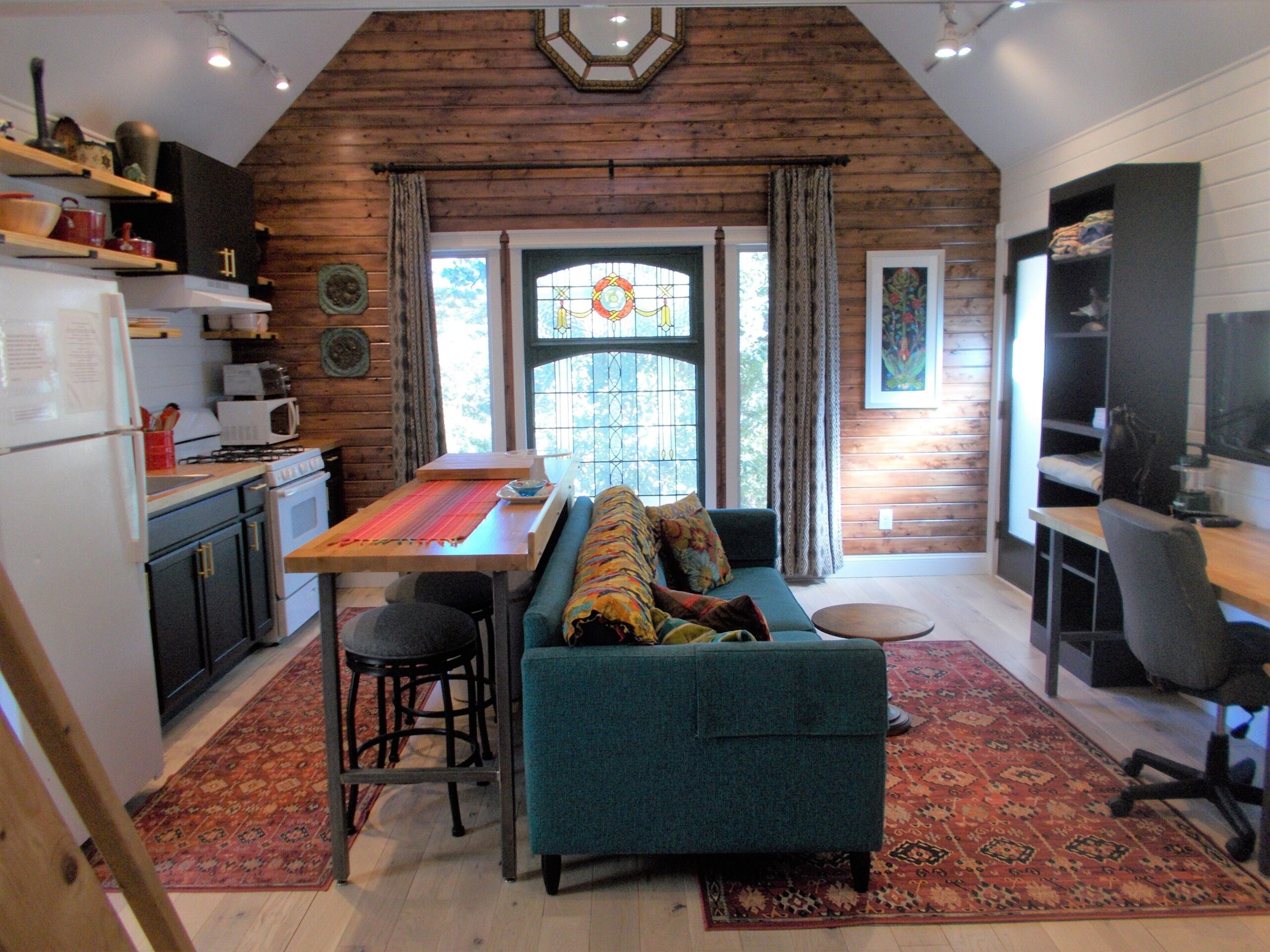
BEST PRIVATE RETREAT
Ocracoke Vacation Rental
For longer stays, couples, or anyone who wants more space and a full kitchen. Quieter than a hotel room and a better fit if you’re planning to actually cook, unwind, and stay a few days rather than pass through.
Browse Rentals →FOOD & DRINK
Where to Eat on Ocracoke
No chain restaurants on Ocracoke. Every place to eat here is local, which means the quality varies and the character is real. Most places are seasonal — hours shift in shoulder season and some close entirely in winter. Check before you make plans around a specific spot.
LOCAL INSTITUTION
Howard’s Pub
Been here more than 30 years and it shows — in a good way. Wall-to-wall memorabilia, a long wooden bar, a screened porch with ceiling fans, and a rooftop deck with views over the island. The menu runs fresh local seafood, oysters, chargrilled fish and steaks, burgers, and sandwiches. Same menu all day. Kids’ meals come on a Frisbee. Go early if food is the priority. Go late when everything else has closed and you want somewhere to sit while the harbor goes quiet — Howard’s stays open longer than anything else in the village.
BEST BREWERY
1718 Brewing
Named for the year Blackbeard died in the water just offshore. The brewery runs a rotating selection of beers brewed on-site — Kolsch, IPA, coffee stout, and seasonals using local ingredients like fig, honey, and prickly pear. The kitchen inside, Marauder’s Kitchen, handles food: smash burgers, soft pretzels, fish, shrimp and grits, tacos. Pet-friendly outdoor seating. Open daily in season. One of the better full stops on the island if you want a real meal with good beer and no rush.
BEST SIT-DOWN DINNER
Back Porch Restaurant
The most consistently recommended restaurant on the island for a proper dinner. Menu changes seasonally around whatever’s freshest — local seafood, hand-cut meats, locally sourced produce, housemade desserts. Screened porch or air-conditioned dining room. Get there early or expect to wait. Seasonal hours — confirm it’s open before you build your evening around it.
OYSTERS
Ocracoke Oyster Co.
Local seafood and oysters on the half shell, fig wood-smoked barbecue, burgers, ribs, and brisket. Live music some nights. Kitchen stays open late in season. If oysters are part of why you’re here, this is the stop.
GRAB AND GO
Ocracoke Variety Store
The only grocery store on the island. Fresh-cut meats, produce, cheese, wine, craft beer, and grab-and-go sandwiches and prepared foods. Worth knowing before you commit to cooking at camp. If you didn’t stock the cooler on Hatteras, this is your backup — just don’t expect mainland pricing.
CAMPER TIP
Most restaurants on Ocracoke are seasonal and dinner-focused. If you’re camping and want to cook, the Variety Store is your only on-island option for groceries. Stock the cooler seriously before you board the ferry — what’s available here is limited and priced to reflect it.
THE VILLAGE
What to Do in Ocracoke Village
Bikes are how you see Ocracoke. Most lodging properties have them or you can rent from shops around the village. The streets were built for bikes and golf carts, not cars — narrow, shaded by live oaks, lined with cedar-shingled cottages that look like they’ve been standing for generations. Figure out the bike situation within the first hour and the island opens up.
The village has independent shops, local galleries, and a live music scene that runs through summer — check chalkboards around the village for pop-up shows and patio performances most evenings in season.
THE BEACH
Ocracoke Beach
Wide, undeveloped, and consistently ranked among the best beaches on the East Coast — Dr. Beach named it number one in America in 2007 and again in 2022. No development behind it. No vendors working the surf line. Pack a cooler, bring a book, and plan to stay longer than you intended. The lifeguarded beach sits just south of the village and is the easiest access point.
HISTORY
The British Cemetery
Four sailors from HMS Bedfordshire — torpedoed by a German U-boat off the Outer Banks in May 1942 — are buried here. The United States leases the plot to the United Kingdom in perpetuity and the Coast Guard tends it to this day. Each May, the U.S. Coast Guard and Royal Navy hold a joint ceremony honoring the sailors. It’s a ten-minute stop that stays with you. Easy to find at 234 British Cemetery Road.

LANDMARK
Ocracoke Lighthouse
Built in 1823, the oldest operating lighthouse in North Carolina and one of the oldest in the country. The tower stands 75 feet — compact compared to Cape Hatteras — and it’s not open to climb. Worth seeing in early morning light before the day heats up. The short boardwalk trail to the base takes ten minutes and pairs naturally with a walk to Springer’s Point just down the road.
WILDLIFE
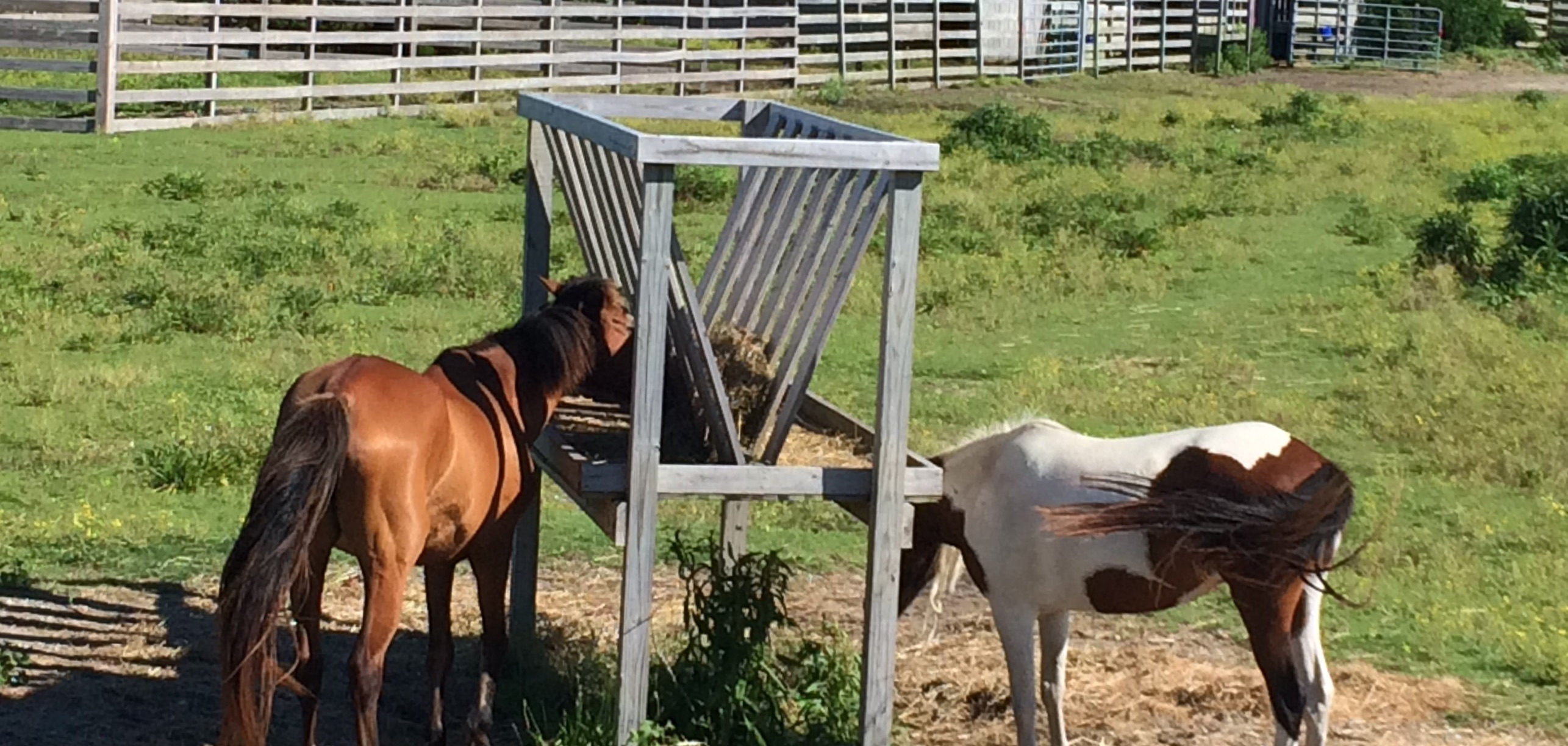
Ocracoke Pony Pens
The banker ponies are descended from Spanish mustangs that arrived with a shipwreck in the 1600s and survived on the island for centuries. In 1959 they were penned under National Park Service protection. The enclosure sits a few miles north of the village near the Hatteras ferry landing — drive rather than bike. A raised viewing platform and boardwalk give you a clear view. Worth the stop, especially with kids.
WATERSPORTS
Paddle the Harbor
Ride the Wind Surf Shop rents paddleboards and kayaks. Silver Lake Harbor is calm and easy for beginners — the lighthouse sits at one end and the charter boats at the other. For something more ambitious, paddle out toward Springer’s Point along the sound side. The water around Teach’s Hole Channel moves, so read the conditions before you commit to the longer route.
LOCAL SHOP
Books to Be Read
A bookshop and community gathering spot in the village. Shelves of local history, maritime titles, and Outer Banks-specific reading. The kind of shop where you walk in for ten minutes and stay for forty. Worth finding if books are part of how you travel.
MUSEUM
Ocracoke Preservation Museum
Housed in a restored 1900s island home, the museum covers the full arc of Ocracoke’s history — maritime culture, the lifesaving service, the island’s distinct Outer Banks brogue dialect, and the communities that shaped it. Free to enter. A good rainy day stop or a useful first stop if you want context before you start exploring.
HEADING HOME A DIFFERENT WAY?
If you’re routing back toward Raleigh, Charlotte, or anywhere west and south, the Swan Quarter ferry saves you the full Hatteras drive. It runs from the village directly to Swan Quarter on the mainland — about two and a half hours on the water. Cedar Island is another mainland option if you’re heading toward Morehead City or the Crystal Coast. Both are paid crossings and both require a reservation in advance, especially in summer. Check current schedules and book here.
BLACKBEARD’S TERRITORY
Springer’s Point: Where Blackbeard Made His Camp
Just off Loop Road near the Ocracoke Lighthouse sits a 122-acre preserved tract of maritime forest that most visitors drive past without stopping. That’s a mistake.
This was Blackbeard’s territory. From 1717 to 1718, he used Ocracoke as his base of operations and held his famous parties near what is now Springer’s Point. The forest looks different today — ancient live oaks, loblolly pines, and red cedars grown tall over three centuries — but the water view at the end of the trail is the same water he watched.
A 0.8-mile trail winds through maritime forest and marsh before opening onto a quiet sound-side beach overlooking Teach’s Hole Channel — still on the maps under his name. On November 22, 1718, Royal Navy Lieutenant Robert Maynard cornered Blackbeard here after North Carolina residents, exhausted by years of raiding, asked Virginia’s governor to act. Blackbeard was shot five times and cut more than twenty times before he went down. The story that his headless body swam three laps around the ship before sinking is almost certainly invented. It’s been three hundred years and people still tell it, which says something about the man.
The forest concentrates birds. Herons and egrets work the marsh edges. The sound beach at the end is one of the quieter spots on the island.
Getting there
No vehicle parking at the trailhead — bike or walk from the village. Limited parking available nearby but don’t count on it during busy periods.
Best time
Morning. Bring bug spray in warmer months — the forest trail holds humidity and the insects know it.
Trail length
0.8 miles one way. Flat throughout. The sound beach at the end is the destination — don’t turn back before you reach it.
Also nearby
Ocracoke Lighthouse is a five-minute walk from the trailhead. Pair them as a natural half-day loop from the village.
WORTH KNOWING
Blackbeard’s flagship, Queen Anne’s Revenge, was found in 1996 near Beaufort Inlet. More than 420,000 artifacts have come up from the bottom. The North Carolina Maritime Museum in Beaufort has over 300 on display — worth the stop if you’re driving back through the Crystal Coast.

400+ SPECIES RECORDED
Birding on Ocracoke
Ocracoke sits in the middle of the Atlantic Flyway and more than 400 species have been recorded here — including genuine rarities pushed in by major storms that show up nowhere else on the Outer Banks. The combination of beach, marsh, maritime forest, and sound gives you more habitat variety in a small area than almost anywhere on the East Coast.
What you see depends on when you go. Summer brings Brown Pelicans, gulls, and terns overhead. Sanderlings and Willets work the surf line. Herons, egrets, Eastern Meadowlarks, White Ibis, and Boat-tailed Grackles work the marsh edges. Fall pushes Peregrine Falcons through. Winter brings Snowy Owls and Northern Gannets — the kind of birds serious birders plan entire trips around.
Springer’s Point concentrates a lot of species in a small area. The combination of forest, marsh, and sound-side beach means you cover a lot of habitat in a short walk. Bring binoculars. You’ll use them whether you think of yourself as a birder or not.
Summer
Pelicans, terns, gulls, Willets, Sanderlings, herons, egrets, and White Ibis working the beach and marsh edges.
Fall
Peregrine Falcons, migrating shorebirds, and southbound warblers. October is the peak window.
Winter
Snowy Owls, Northern Gannets, and wintering waterfowl. Worth planning a dedicated trip around if birding is the point.
Best spots
Springer’s Point for forest and marsh species. The sound-side impoundments for wading birds. The beach for shorebirds and seabirds.
GEAR TIP
If you don’t own binoculars, Ocracoke is a good reason to fix that before you go. A decent mid-range pair makes the difference between watching a bird land nearby and actually seeing it. Look for 8×42 magnification as a solid all-around starting point.
PACKING LIST
What to Bring to Ocracoke
Ocracoke isn’t a place where you run out for something you forgot. Once you’re on the island, going back means the ferry. Handle logistics before you get in line at Hatteras — and be honest with yourself about what “I’ll figure it out when I get there” costs on an island that closes at dark.
Bug spray
DEET, 25 to 30% minimum. Don’t negotiate with yourself on this one. Sand fleas and mosquitoes are both real depending on season.
Binoculars
More than 400 species recorded on this island. 8×42 magnification is a solid all-around starting point if you don’t own a pair yet.
Bikes or plan to rent
Cars are the wrong tool here. Most lodging has bikes or rentals are easy to find in the village. Sort this before you arrive.
Stocked cooler
Handle this on Hatteras before you get in the ferry line. The Variety Store on Ocracoke is the only grocery on the island and it’s priced accordingly.
Cash
Some places still prefer it and a few smaller vendors are cash only. An ATM exists on the island but don’t count on it being your plan.
Sun protection
Full exposure on the beach and the trail at Springer’s Point. Hat, sunscreen, and a layer for wind. The barrier island sun is not the same as the mainland sun.
Everything for your stay
There’s no quick run back. If you’re camping especially — stakes, windbreak, tent rated for barrier island conditions. Plan before you board.
Ferry reservations
If you’re taking Cedar Island or Swan Quarter back to the mainland, book before you leave home. Don’t arrive at the terminal without one in summer.
BOTTOM LINE
The Honest Case for Going
Ocracoke asks something of you before it gives anything back. The drive is long. The ferry line is unpredictable. Once you’re there, the island closes at dark and doesn’t apologize for it.
What you get in return is a version of the Outer Banks that most of the coast has already lost. Quiet. Unhurried. Genuinely off the pace. The kind of place where the biggest decision of the day is whether to walk to the harbor before or after dinner. Where you can stand on a sound-side beach looking out at the water that swallowed Blackbeard, and the only sound is wind moving through live oaks that were old when he was alive.
It’s worth the drive. It’s worth the wait. It has always been worth it.
Leave early, stock the cooler before you get in line, and don’t sleep in the truck in May with the windows cracked.
PLAN THE FULL TRIP
Planning a full Cape Hatteras camping trip? The complete guide to Camping the Outer Banks: Cape Hatteras, Ocracoke, and the Real OBX Experience covers every campground, ORV permits, fishing licenses, and how to get a reservation.
READ NEXT

Some links in this article are affiliate links. If you book through them, we may earn a small commission at no additional cost to you. We only recommend places we’d actually send someone.