EAST COAST CAMPING GUIDE
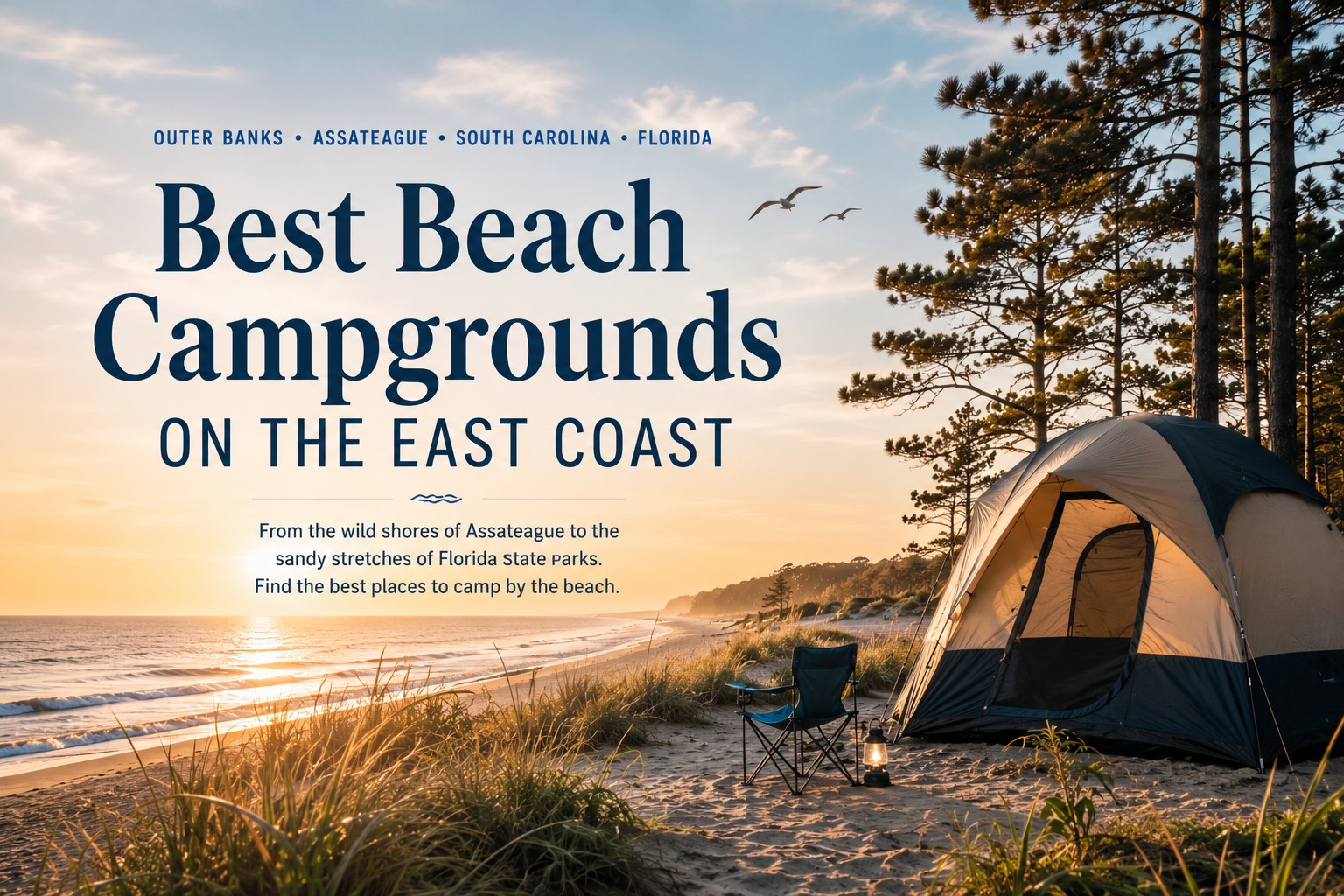
Best Beach Campgrounds on the East Coast
From wild barrier islands to family-friendly state parks — how to find the right fit before you book.
The best beach campgrounds on the East Coast aren’t all the same. Some sit behind wild dunes with direct ocean access and nothing else for miles. Others work better for RVs, families, or first-time campers who want bathrooms, shade, and easy access to nearby towns.
This guide compares the coastal campgrounds worth planning a trip around, from Assateague and the Outer Banks to South Carolina and the Florida Keys.
Use it to narrow your options by beach access, camping style, reservation difficulty, and the kind of trip you actually want.
Quick Take
- Best overall: Cape Hatteras National Seashore — raw barrier island, best surf fishing, serious OBX feel
- Best wild beach: Assateague Island — wild horses, undeveloped shoreline, tent camping at its best
- Best for families: First Landing State Park — Virginia Beach access, hookups, manageable logistics
- Best warm-weather trip: Bahia Honda State Park — Florida Keys views, hardest reservation on this list
- Best underrated pick: Jekyll Island — quieter Georgia coast, easier to book than most
- Booking rule: NPS campgrounds open six months out — the best sites go in minutes
COMPARE CAMPGROUNDS
Best East Coast Beach Campgrounds at a Glance
Not all of these campgrounds deliver the same experience. Some put you directly on the beach with nothing between your tent and the Atlantic. Others trade raw access for better amenities, easier logistics, or a more manageable reservation window. This table tells you what you’re actually choosing between.
| Campground | State | Style | Beach Access | Best For | Booking Pressure |
|---|---|---|---|---|---|
| Cape Hatteras National Seashore | NC | Tent & RV | Excellent | Wild coastal camping | High |
| Ocracoke Campground | NC | Tent & RV | Excellent | Remote island experience | Very High |
| Assateague Island | MD/VA | Tent & RV | Excellent | Wild horses & beach camping | High |
| First Landing State Park | VA | Tent & RV | Good | Families & beginners | Moderate |
| Hammocks Beach / Bear Island | NC | Tent only | Excellent | Most remote NC option | Low — 14 sites only |
| Huntington Beach State Park | SC | Tent & RV | Good | Nature, wildlife, families | Moderate |
| Hunting Island State Park | SC | Tent & RV | Excellent | Beachfront campsites | High |
| Edisto Beach State Park | SC | Tent & RV | Good | Quiet coastal escape | Moderate |
| Jekyll Island Campground | GA | Tent & RV | Good | Low-key island base camp | Moderate |
| Bahia Honda State Park | FL | Tent & RV | Excellent | Florida Keys camping | Very High |
HOW TO USE THIS GUIDE
The table above gives you the at-a-glance comparison. The regional sections below go deeper — what each campground actually feels like, who it’s right for, and where to book. If you already know your region, jump straight there.
BY REGION — NORTHERN ATLANTIC
Northern Atlantic Beach Campgrounds
The northern Atlantic coast trades warm water and long seasons for dramatic scenery, wild barrier islands, and campgrounds that feel genuinely removed from everything. The season is shorter, the weather less forgiving, and the reservations just as competitive. Time your trip right and it’s worth every bit of the planning.
BEST OVERALL — MARYLAND/VIRGINIA
Assateague Island National Seashore
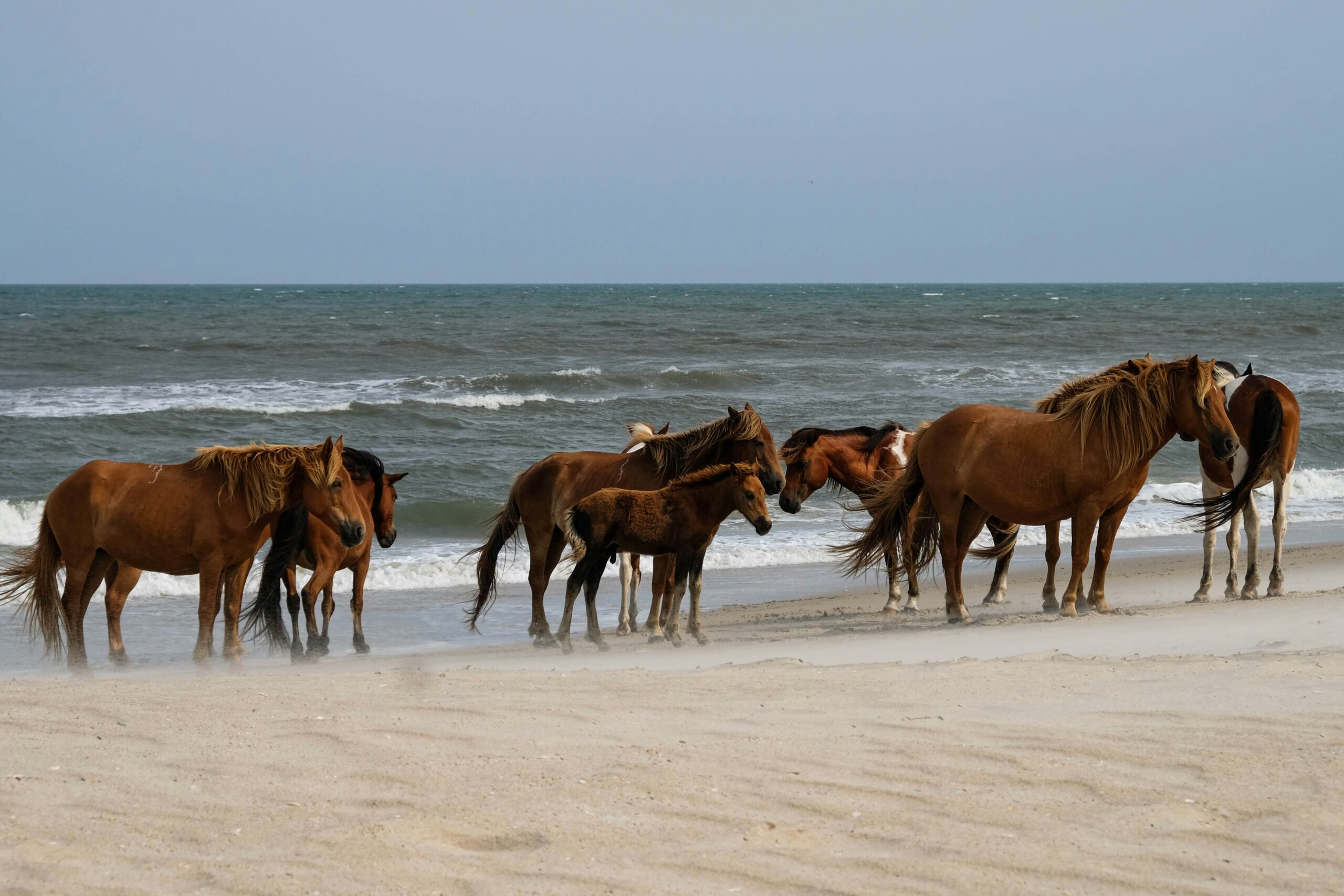
Wild horses roam freely through the campsites. The beach is just over the dunes. There are no resort amenities, no nearby towns, and no reason to leave. Assateague is the closest thing to true wilderness beach camping on the northern Atlantic coast — bring everything you need and treat your reservation like it matters, because it does.
BEST NORTHEAST OPTION — NEW YORK
Hither Hills State Park
One of the few places you can camp directly on the Atlantic in New York. Situated at the eastern tip of Long Island near Montauk, with sites within walking distance of the beach and some of the most competitive reservations in the Northeast. If you want ocean camping without leaving New York State, this is it.
Reserve at NY State Parks →BEST COASTAL SCENERY — MAINE
Blackwoods Campground, Acadia National Park
Not traditional beach camping — the water is cold, the shoreline is rocky, and there’s no sandy beach at your doorstep. But Acadia delivers the most dramatic coastal scenery on the East Coast, and Blackwoods puts you in the middle of it. Worth the trip for the right traveler.
Reserve on Recreation.gov →BY REGION — MID-ATLANTIC
Mid-Atlantic Beach Campgrounds
The Mid-Atlantic is where East Coast beach camping gets serious. Barrier islands, national seashores, and wide stretches of undeveloped shoreline put you directly on the Atlantic with very little between you and the water. The campgrounds here are the ones people plan trips around — not the other way around.
EASIEST ACCESS — VIRGINIA
First Landing State Park
The most approachable beach campground in the Mid-Atlantic. Shaded sites, Chesapeake Bay beaches, Virginia Beach amenities five minutes away, and enough trails to keep you busy between sessions on the water. It’s not oceanfront and it’s not remote — that’s exactly why it works for families and first-time beach campers.
Reserve at Virginia State Parks →BEST OVERALL — NORTH CAROLINA
Cape Hatteras National Seashore
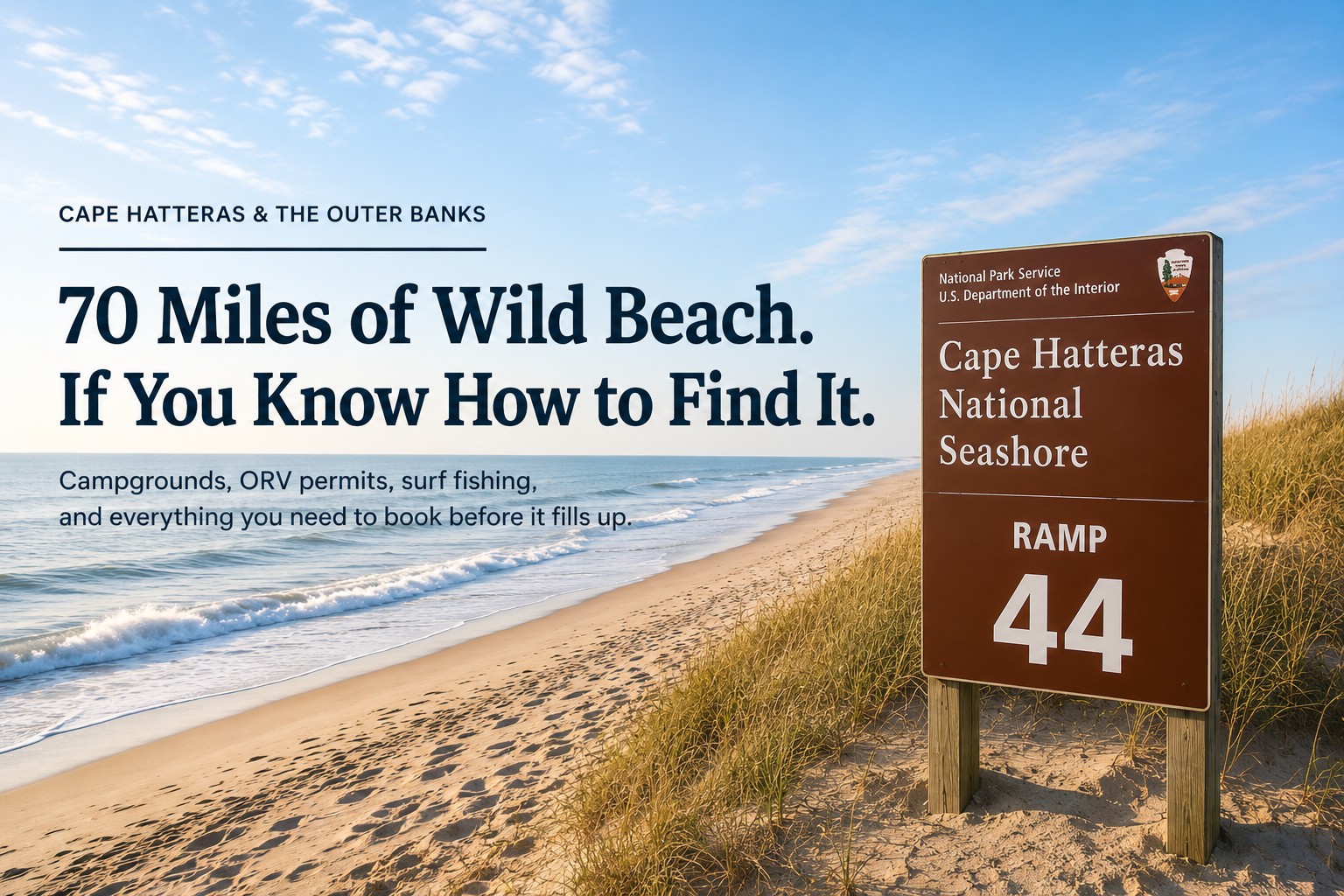
Seventy miles of raw barrier island, four campgrounds, direct beach driving access, and the best surf fishing on the East Coast. Oregon Inlet is the easiest entry point. Cape Point is the classic. Ocracoke is the one that takes more effort and earns it. If you only do one East Coast beach camping trip, start here.

MOST REMOTE — NORTH CAROLINA
Ocracoke Campground
Ferry access only. Ocean on one side, sound on the other. The village is a short bike ride away and worth every minute. Ocracoke is the most isolated camping experience in the Mid-Atlantic — no hookups, no quick grocery runs, no easy backup plan. Plan before you board. It’s one of the best campgrounds on the East Coast for the traveler who wants to actually disconnect.
Read the Full Ocracoke Guide →MOST REMOTE NC OPTION
Hammocks Beach / Bear Island
Ferry or paddle-in only, 14 campsites, no vehicles, no amenities beyond the basics. Bear Island is what barrier island camping looked like before the campground industry existed. If Assateague feels too accessible and Ocracoke too social, this is your next step.
Reserve at NC State Parks →BY REGION — SOUTHEAST
Southeast Beach Campgrounds
The Southeast extends the camping season well into winter and offers some of the most varied coastal environments on the East Coast — from South Carolina’s maritime forests and Lowcountry barrier islands to the turquoise water of the Florida Keys. The farther south you go, the longer the season and the harder the reservations.
BEST BEACHFRONT — SOUTH CAROLINA
Hunting Island State Park
One of the few campgrounds on this list where sites sit genuinely close to the beach. The lighthouse, fishing pier, maritime forest trails, and Lowcountry setting give it more texture than a simple beach campground. Best visited October through April — summer humidity and crowds are real. Check current conditions before booking as beach erosion occasionally affects site availability.
Reserve at SC State Parks →BEST QUIET ESCAPE — SOUTH CAROLINA
Edisto Beach State Park
Less crowded than Hunting Island, less developed than Myrtle Beach, and genuinely relaxed in a way that most coastal campgrounds aren’t. Edisto attracts campers who want beach access, good fishing, and a slower pace without fighting for a site. The maritime forest trails and uncrowded shoreline make it a reliable shoulder-season pick.
Reserve at SC State Parks →BEST NATURE + WILDLIFE — SOUTH CAROLINA
Huntington Beach State Park
A strong alternative to Hunting Island if you want South Carolina beach camping with more wildlife and fewer crowds. Three miles of beach, marshes full of alligators and shorebirds, and the historic Atalaya Castle give it more to explore than most campgrounds its size. Fifteen miles south of Myrtle Beach but feels nothing like it.
Reserve at SC State Parks →BEST ISLAND BASE CAMP — GEORGIA
Jekyll Island Campground
Jekyll Island is the most underrated campground on this list. Ten miles of beaches, 24 miles of bike paths, Driftwood Beach, and a historic district — all without the booking pressure of the NPS campgrounds. More island base camp than raw beach camping, but the right fit if you want a coastal trip with room to explore.
Reserve at Jekyll Island →BUCKET LIST — FLORIDA KEYS
Bahia Honda State Park
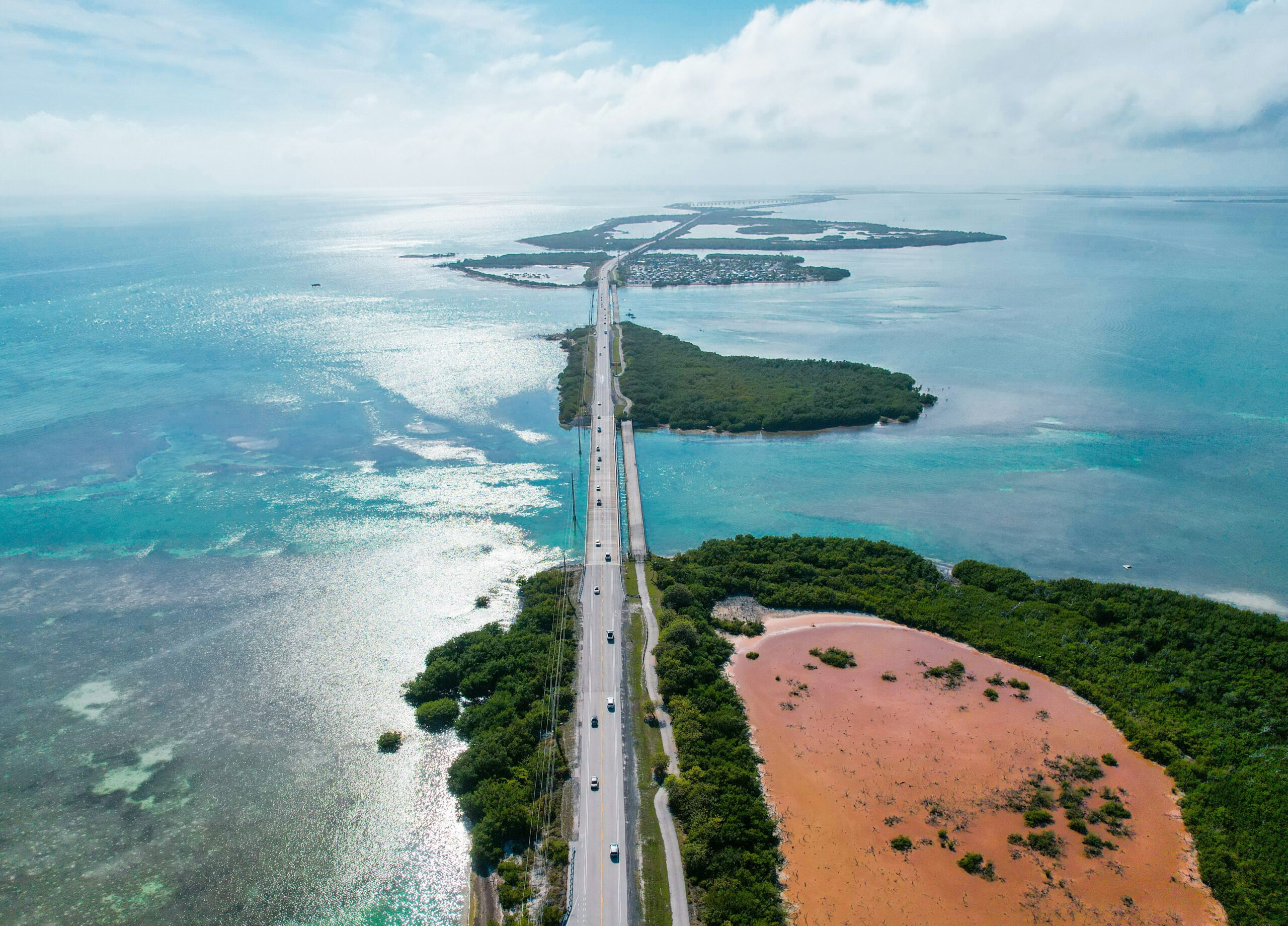
Turquoise water, palm trees, the historic Overseas Railroad Bridge, and some of the hardest reservations on the East Coast. Bahia Honda feels closer to the Caribbean than the continental United States — which is why people plan months ahead to get here. Treat it like a booking project, not a casual idea, and it delivers one of the best camping experiences anywhere in the country.
GEAR GUIDE
What to Pack for East Coast Beach Camping
Beach camping has specific gear problems that standard campground trips don’t. Wind destroys cheap stakes, sun is relentless without shade, bugs at dusk are aggressive, and primitive sites mean you’re on your own for power. These four categories cover the gaps most first-timers miss.
SHELTER & WIND
Plan for Exposure First
Barrier island wind will destroy a cheap tent and pull standard stakes out of soft sand. You need a wind-rated setup with screw-style sand stakes and a shade structure that can handle open coastal conditions.
Shop sand stakes →SUN & BUGS
Protect Yourself Early
Beach sun is unforgiving and no-see-ums don’t care how much you paid for your campsite. Bring more sunscreen and bug spray than you think you need — especially near the sound side or any marshy area.
Shop sun shelters →FOOD & WATER
Stock Before You Arrive
Don’t count on quick grocery runs at Assateague, Ocracoke, or Bahia Honda. Bring a serious cooler, extra water, and meals you don’t have to think about. A beach wagon makes hauling gear from car to campsite significantly less miserable.
Shop camping coolers →POWER & LIGHT
Bring Backup Power
Primitive sites have no hookups and even electric sites feel limited fast. A portable power station handles phones, lights, fans, and small gear without relying on the campground. Worth it for any trip longer than two nights.
Shop power stations →REALITY CHECK
The campgrounds that feel the most rewarding — Assateague, Cape Hatteras, Ocracoke — are also the most exposed and least forgiving of underprepared gear. Plan for the conditions, not the campground photos.
BEFORE YOU BOOK
What East Coast Beach Camping Actually Requires
Beach camping on the Atlantic coast isn’t harder than other camping — it’s just different in ways that catch people off guard. Wind, weather windows, reservation systems, and coastal conditions all work differently here than at a standard campground. Know what you’re getting into before you commit.
Book Like It’s a Flight
The best sites at Assateague, Cape Hatteras, Ocracoke, and Bahia Honda disappear within minutes of the reservation window opening. NPS campgrounds open six months out. State parks vary. Set a reminder, be logged in before the window hits, and have your dates and backup sites ready. Browsing slowly is how you end up at a private campground by default.
Wind Is Constant, Not Occasional
Barrier islands don’t have windbreaks. The same open exposure that makes the scenery dramatic makes cheap gear useless. Standard tent stakes pull straight out of soft sand. Canopies become projectiles. A wind-rated tent, screw-style sand stakes, and a low-profile shade setup aren’t optional upgrades — they’re baseline equipment for any exposed coastal campground.
Shade Is Your Responsibility
Most beachfront campgrounds offer little to no natural shade. Full sun from 7am to 7pm on an open barrier island is a different experience than a wooded state park. Bring a quality sun shelter, schedule your outdoor time around the worst heat, and pack more sunscreen than you think you need. First Landing and Hunting Island are exceptions — both have tree cover. Most others don’t.
Hurricane Season Is Real
The Atlantic hurricane season runs June through November and directly affects most of the campgrounds on this list. A named storm doesn’t have to make landfall to cancel your trip — tropical systems bring days of wind, rain, and mandatory evacuations. Check NOAA forecasts before you leave, know your campground’s cancellation policy, and have a backup plan if you’re traveling June through October.
Bugs Are Part of the Deal
Mosquitoes and no-see-ums are aggressive at most East Coast beach campgrounds, especially near marsh and sound-side environments. Dawn and dusk are the worst windows. The sound side of any barrier island is typically worse than the ocean side. Strong DEET-based repellent isn’t overkill — it’s the difference between a pleasant evening and misery. Even shoulder season can surprise you.
Wildlife Closures Change Access
Cape Hatteras and Assateague both have seasonal ORV and beach access closures tied to nesting shorebirds and sea turtles. The exact ramps and shoreline sections affected change throughout the season. Cape Point — one of the best surf fishing spots on the East Coast — is frequently impacted. Always check current NPS conditions before you leave, not when you booked and not the week before.
THE SHORT VERSION
Book early, gear for wind and sun, respect the weather window, and check access conditions before you leave. The campgrounds that reward preparation the most are also the ones that punish showing up unprepared the hardest.

FAQ
Common Questions About East Coast Beach Camping
What’s the best beach campground on the East Coast?
Cape Hatteras National Seashore is the strongest all-around pick — multiple campgrounds, direct beach access, surf fishing, and miles of undeveloped barrier island. Assateague is the best if wild horses and a more remote feel matter more than fishing access.
Which campground is right for me?
For families: First Landing State Park or Hunting Island. For solitude: Ocracoke or Assateague. For warm-weather winter camping: Bahia Honda. For the best overall East Coast experience: Cape Hatteras. For an underrated easy-to-book option: Jekyll Island.
How far in advance should I book?
NPS campgrounds open six months out — be logged in and ready when that window hits. Assateague, Cape Hatteras, and Bahia Honda go fast. State park campgrounds are more forgiving but still fill weeks to months ahead for peak dates. Shoulder season gives you the most flexibility.
Can you camp directly on the beach on the East Coast?
Not on the sand itself — overnight camping on open beach isn’t permitted at most locations. But campgrounds like Assateague, Cape Hatteras, and Ocracoke put you just over the dunes with a short walk to the water. That’s as close as you’re getting on a designated campground.
What’s the best time of year for East Coast beach camping?
Late September through October is the sweet spot for the Mid-Atlantic — fewer crowds, better fishing, cooler temperatures, and lower humidity. Spring works well too. For South Carolina and Florida, October through April is ideal. Summer delivers warm water but also peak crowds, bugs, and the hardest reservations.
Are East Coast beach campgrounds RV friendly?
Most are. First Landing, Cape Hatteras, Hunting Island, Edisto, Jekyll Island, and Bahia Honda all accommodate RVs. Hookup availability varies — NPS campgrounds are mostly primitive or limited electric. Private campgrounds like Cape Hatteras KOA offer full hookups if that’s the priority.
What gear do I actually need for beach camping?
Wind-rated tent stakes, a shade structure, serious bug spray, a hard-sided cooler, and backup power cover the most common gaps. The campgrounds that feel the most rewarding — Assateague, Ocracoke, Cape Hatteras — are also the most exposed. Gear for the conditions, not the photos.
Is beach camping worth it for first-timers?
Yes — but start with a more forgiving option. First Landing State Park gives you shaded sites, nearby amenities, and real beach access without throwing you straight into the deep end. Once you know your gear handles coastal conditions, step up to Assateague or Cape Hatteras.
FINAL NOTE
Bottom Line
The East Coast offers some of the best beach camping in the United States, from the wild horses of Assateague and the remote shores of Ocracoke to the warm waters of the Florida Keys.
If you’re looking for the most complete beach camping experience, Cape Hatteras National Seashore remains one of the strongest choices on the Atlantic Coast. Campers who prioritize solitude may prefer Ocracoke or Assateague, while families often find Hunting Island and First Landing easier to navigate.
The best campground for your trip depends less on amenities and more on the experience you want. Some destinations reward careful planning with remote beaches and unforgettable scenery. Others offer a more comfortable introduction to coastal camping without sacrificing access to the water.
Whichever campground you choose, reserve early, prepare for changing coastal conditions, and leave room in your schedule to enjoy the reason people keep returning to these places year after year: waking up within walking distance of the ocean.
Some links in this guide are affiliate links. If you book through them, we may earn a small commission at no additional cost to you. We only recommend places we’d actually send someone.
KEEP EXPLORING